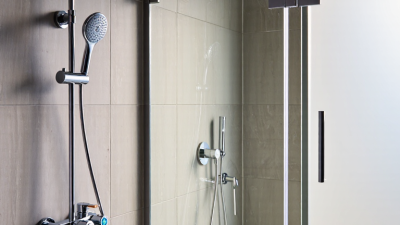
A Wall Mounted Shower Set is a coordinated shower system fixed directly to the bathroom wall. It usually includes a showerhead, hand shower, hose, control valve, and wall connection. Some designs add a diverter or thermostatic mixer. Unlike ceiling-mounted systems, the plumbing remains concentrated near one vertical surface. This can simplify layout planning, especially in compact bathrooms.
The system is practical, but its performance depends on more than appearance. Pipe pressure, outlet height, valve compatibility, and mounting strength all matter. The U.S. Environmental Protection Agency’s WaterSense specification limits certified showerheads to 2.0 gallons per minute at 80 psi. That figure helps explain why efficient products can still provide a comfortable spray. The 2024 U.S. Houzz Bathroom Trends Study also shows continued homeowner investment in shower-area upgrades, reflecting demand for better control and daily comfort. Broader plumbing-fixture analyses from Grand View Research identify renovation and replacement as important market drivers.
Still, market reports cannot measure every real bathroom experience. A beautiful set may feel disappointing when the hand shower rests too low. Poor pressure can weaken spray coverage. Installation details matter.
A reliable evaluation should therefore examine materials, cartridge quality, spray design, flow performance, cleaning access, and warranty support. Stainless steel, solid brass, and certified components usually offer stronger long-term confidence than thin decorative finishes. Wall structure also deserves attention. Tile alone may not support a heavy body spray or oversized shower arm. Professional installation reduces hidden risks, although even experts must check the existing pipework carefully. A Wall Mounted Shower Set is not merely a fixture; it is a daily-use water system shaped by engineering, habits, and the limitations of each bathroom.
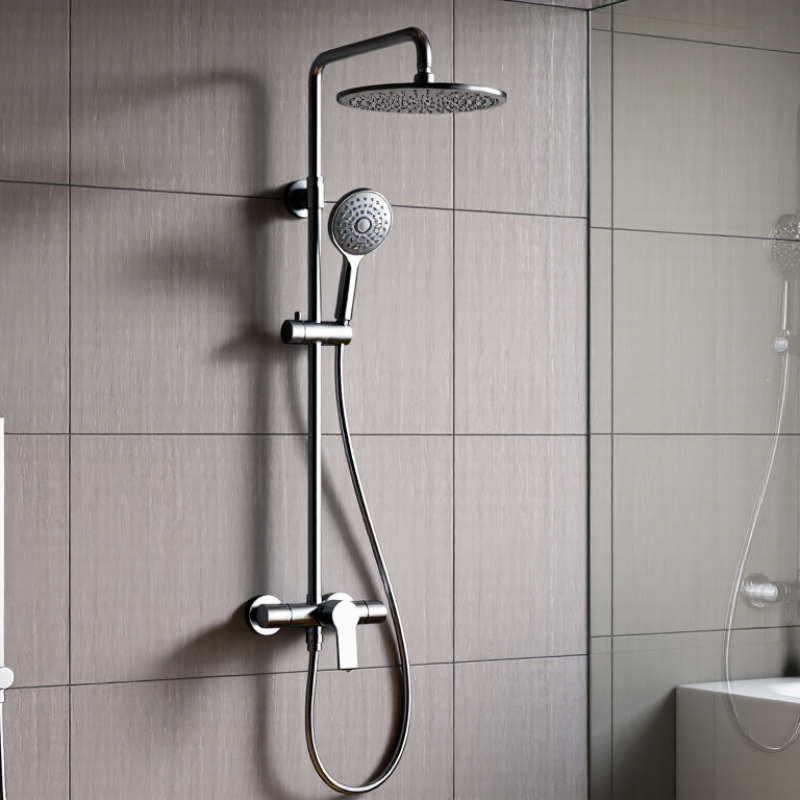
A wall mounted shower set is a bathing system fixed directly to the bathroom wall. Unlike a ceiling-mounted design, its pipes and controls usually connect through the wall surface. This arrangement creates a clean, compact appearance and works well in many bathroom layouts.
The core components include a showerhead, shower arm, control valve, and handheld shower. Some sets also include a wall bracket, flexible hose, diverter, and trim plate. The valve controls water temperature and flow. A diverter directs water between the overhead and handheld outlets. The trim plate covers the wall opening, while the bracket keeps the handheld shower within easy reach.
Material quality matters. Brass or corrosion-resistant metal can support long-term use, but construction details still deserve attention. A poorly sealed connection may cause hidden leaks. That problem is easy to miss during a quick visual inspection. Water pressure, pipe position, and wall strength should be checked before installation. An attractive set cannot correct unsuitable plumbing.
Tips: Measure the shower area before choosing components. Keep the handheld bracket near a comfortable standing height. Test temperature control gradually, especially in households with children or older adults. Leave enough clearance for the showerhead and hose. Installation guidance may vary, so a qualified plumber should verify connections when the wall must be opened. Personally, I would not judge a set by appearance alone; maintenance access is often overlooked.
A wall mounted shower set connects to water pipes hidden inside the wall. Visible parts usually include a showerhead, hand shower, hose, control valve, and wall arm. Water travels through the pipework before reaching the valve. The valve then directs water to the selected outlet. It can send water upward, through the hand shower, or through both outlets.
Control happens inside the valve body. A pressure-balancing cartridge adjusts hot and cold water when household pressure changes. This helps prevent sudden temperature shifts when someone flushes a toilet. A thermostatic valve works more precisely by sensing water temperature continuously. Users set a preferred temperature, and the valve regulates the hot-water supply. A separate diverter controls the water path. Flow controls manage volume, which can reduce waste without making the spray feel weak.
Installation quality strongly affects daily performance. Correct pipe depth keeps the trim plate stable and prevents leaks behind the wall. A plumber should test pressure, temperature, and every connection before closing the surface. In my experience, even a well-designed set may spray unevenly if the inlet pipes contain debris. Cleaning the filter often helps. Not always, though. Mineral buildup may require cartridge service or replacement. Water pressure also deserves attention, because a beautiful shower set cannot create pressure that the home does not supply.
| Component or Data Dimension | Typical Specification | How It Delivers or Controls Water | Practical Installation and Use Notes |
|---|---|---|---|
| Wall-Mounted Shower Set | A shower system fixed directly to the bathroom wall, usually combining a shower head, hand shower, hose, control valve, and wall connections. | Receives water from the building's hot and cold supply lines and directs it through one or more shower outlets. | Exposed sets are accessible after installation; concealed versions place the valve body and pipe connections inside the wall. |
| Shower Head | Common diameter: approximately 100–250 mm for a round head; larger overhead heads may exceed this range. | Distributes water through multiple small nozzles to create a spray pattern. Internal flow restrictors may limit water consumption. | Performance depends on water pressure, pipe size, nozzle condition, and the head's internal flow-control design. |
| Hand Shower | Usually connected with a flexible hose approximately 1.2–1.8 m long. | Allows the user to direct water manually for rinsing, cleaning, or seated showering. | A wall bracket or adjustable holder keeps the hand shower at a selected height when it is not being held. |
| Shower Arm or Riser | Typical exposed shower arms extend approximately 150–400 mm from the wall; riser rails commonly measure about 600–1000 mm. | Positions the fixed shower head and provides a route for water to reach the outlet. | The wall connection should be securely anchored and sealed to prevent movement and water ingress. |
| Control Valve | May be a single-lever mixer, dual-handle mixer, pressure-balancing valve, or thermostatic valve. | Opens or closes the water supply and adjusts the balance between hot and cold water. | Valve type determines how precisely the user can control temperature and how the system responds to pressure changes. |
| Thermostatic Temperature Control | Many thermostatic shower controls include a user-adjustable temperature range and a safety stop commonly set around 38–40°C. | Uses a thermostatic element to automatically adjust hot and cold water proportions when supply conditions change. | The exact safety-stop temperature varies by installation requirements and valve design. The outlet should be tested after installation. |
| Diverter | Two-way or three-way configurations are common, depending on the number of outlets. | Redirects water between outlets such as the overhead shower, hand shower, and an additional body spray outlet. | A diverter does not normally increase available water pressure; it changes the selected flow path. |
| Typical Water Flow | Many household shower outlets operate within approximately 6–10 L/min, but actual flow varies by product, pressure, and local regulations. | Flow restrictors, aerators, spray plates, and pressure conditions influence the volume of water delivered per minute. | Flow should be measured at the outlet rather than estimated only from the supply pipe or valve rating. |
| Working Water Pressure | A commonly suitable household operating range is approximately 1–5 bar, subject to the requirements of the selected components. | Higher pressure can improve spray coverage, while insufficient pressure may reduce flow or prevent some functions from operating correctly. | Always verify the minimum and maximum pressure limits specified for the installed valve and shower outlets. |
| Water Temperature Control | Comfortable shower temperatures are often selected around 37–40°C; personal preference and safety requirements vary. | The mixer combines hot and cold water to achieve the selected outlet temperature. | Hot-water systems should include suitable temperature protection, especially in homes used by children, older adults, or people with reduced sensitivity. |
| Pipe Connections | Shower valves commonly use standard threaded plumbing connections, with connection size depending on regional plumbing practice and the valve design. | Supply pipes deliver hot and cold water to the control valve, while outlet connections carry mixed water to the shower outlets. | Connection sizes, thread standards, pipe spacing, and wall depth must be confirmed before installation. |
| Water Sealing | Thread seals, gaskets, washers, and correctly installed wall escutcheons are used at relevant connections. | Seals prevent water from escaping around threaded joints and wall penetrations. | Sealant alone should not compensate for incorrect alignment, damaged threads, loose fittings, or poorly supported pipework. |
| Flow Selection | Single-outlet systems use a simple on/off and temperature control; multi-outlet systems add a diverter or separate controls. | The control arrangement determines whether water flows to one outlet or is redirected between several outlets. | Using multiple outlets simultaneously may divide the available flow and reduce spray performance. |
| Maintenance Requirements | Routine tasks include cleaning spray nozzles, checking seals, removing scale, and inspecting the hose and connections. | Removing mineral deposits helps preserve the designed spray pattern and reduces partial blockage. | Cleaning methods should be compatible with the outlet finish and the materials used in the shower components. |
Note: The dimensions, flow rates, pressure ranges, and temperature values shown are typical reference values for residential wall-mounted shower systems. Actual performance depends on the installed components, building plumbing, water pressure, local codes, and manufacturer specifications.
What Is a Wall Mounted Shower Set?
A wall mounted shower set attaches directly to the bathroom wall, rather than rising from the floor or ceiling. Common configurations include a fixed showerhead, handheld shower, sliding bar, or a combination of these parts. A basic exposed system keeps the valve and pipework visible. It is easier to install and repair, especially during a bathroom renovation.
A concealed system hides the valve body and supply pipes behind the wall. Only the controls, shower arm, and outlets remain visible. It creates a cleaner appearance, but installation requires accurate measurements and suitable wall depth. Many households choose a dual-outlet configuration, pairing a rain-style head with a handheld sprayer. A diverter controls the water path. Thermostatic control can also help maintain a steadier temperature, though poor calibration may still cause discomfort.
The 2024 Houzz U.S. Bathroom Trends Study reported that 78% of renovating homeowners upgraded their shower area. This helps explain the growing interest in multi-function wall systems. Water performance still matters. The U.S. EPA WaterSense program limits labeled showerheads to 2.0 gallons per minute, compared with the federal maximum of 2.5 gallons. In practice, spray quality depends on pressure, nozzle design, and pipe condition—not just flow rate. I would not specify body jets automatically; they can increase complexity, maintenance, and water use. Check access panels, cleaning space, and local plumbing requirements before selecting the final configuration.
A wall mounted shower set is installed directly on the bathroom wall and usually includes a fixed showerhead, hand shower, control valve, or diverter. The chart compares common configurations by their typical number of water outlets. More outlets provide greater flexibility, but they may require additional plumbing connections and controls.
A wall mounted shower set places the showerhead, arm, controls, and sometimes a hand shower on the bathroom wall. Its clean appearance can hide demanding installation work. The existing rough-in valve must match the set’s inlet spacing, connection size, and control method. Most residential systems use 1/2-inch connections, but thread types and outlet positions can differ. Measure before removing anything.
Water pressure matters too. A long pipe run, clogged filter, or weak supply can reduce spray performance. The U.S. Environmental Protection Agency’s WaterSense Specification for Showerheads limits qualified products to 2.0 gallons per minute, compared with the federal 2.5-gallon limit. EPA estimates that efficient showerheads can save an average family about 2,700 gallons of water yearly. Lower flow does not repair poor plumbing.
Check the valve’s pressure-balancing or thermostatic function, especially in homes with older plumbing. Local codes may require temperature limits and approved anti-scald protection. The 2024 International Plumbing Code also emphasizes accessible shutoff and service conditions, which installers sometimes overlook behind finished walls. A concealed valve needs accurate depth placement; a few millimeters can leave the trim loose or push it outward. Tile thickness matters. So does wall framing.
An existing tub valve may not support a separate hand shower or diverter. Do not force mismatched threads with excessive sealant. That shortcut can create leaks inside the wall. A pressure test before closing the surface is inexpensive insurance, although it is often skipped.
A wall mounted shower set places the showerhead, controls, and often a hand shower on the bathroom wall. This arrangement keeps the floor area clear and creates a clean, organized appearance. It can also make daily washing easier for children, older adults, and people with limited mobility. A fixed showerhead delivers steady coverage, while a hand shower helps rinse hair, clean the enclosure, or wash a pet.
The main limitation is installation flexibility. Water pipes must reach the correct wall position, and moving them later may require opening tiles. Pressure can also feel weak when several outlets run together. In a small bathroom, an outward-spraying showerhead may wet the floor quickly. I once underestimated this detail during a renovation. A wider spray pattern looked comfortable, but the glass door needed extra sealing.
Maintenance is simple when handled regularly. Wipe mineral deposits from the spray nozzles with a soft cloth and mild descaling solution. Do not use abrasive pads, which can scratch the finish. Check the hose connections every few months for drips, and clean the filter if water flow becomes uneven. Letting water dry on the controls can leave dull marks. That mistake is common. Keep the showerhead angled toward the drain, and replace worn washers before a small leak damages the wall.