How to Choose a Modern Shower Set in 2026?
Choosing a Modern Shower Set in 2026 requires more than matching chrome with bathroom tiles. The right system should fit your water pressure, daily routines, wall structure, and maintenance habits. A polished showroom display can hide weak controls, awkward spray angles, or difficult replacement parts.
Start with evidence, not slogans. Check the manufacturer’s technical specifications, warranty terms, flow information, and installation requirements. Thermostatic controls can help maintain steadier temperatures, while adjustable hand showers support children, older adults, and people with limited mobility. Look for durable finishes, clearly marked controls, and components that local plumbers can service. Compatibility matters.
Water efficiency matters too.
A responsible choice should balance comfort with sensible consumption. Some households may benefit from a rain shower, but it can feel disappointing when supply pressure is low. A compact hand shower may perform better in that setting. Measure the available space carefully, including the distance from the mixer to the riser and the door opening. Small errors become expensive after tiles are installed.
This guide compares practical features, design choices, installation concerns, and long-term value. It also questions popular assumptions, because “modern” does not always mean reliable. I have seen attractive systems become frustrating when replacement cartridges were unavailable. No shower set is perfect. Your best option depends on verified specifications, honest installation advice, and the way your household actually showers.
Understanding Modern Shower Set Types and Their Key Features
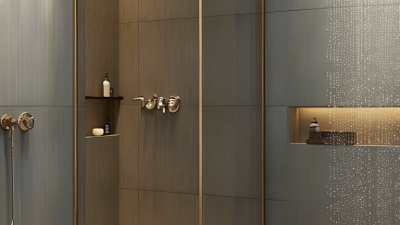
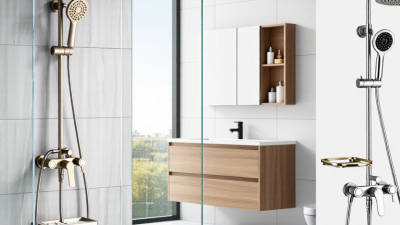
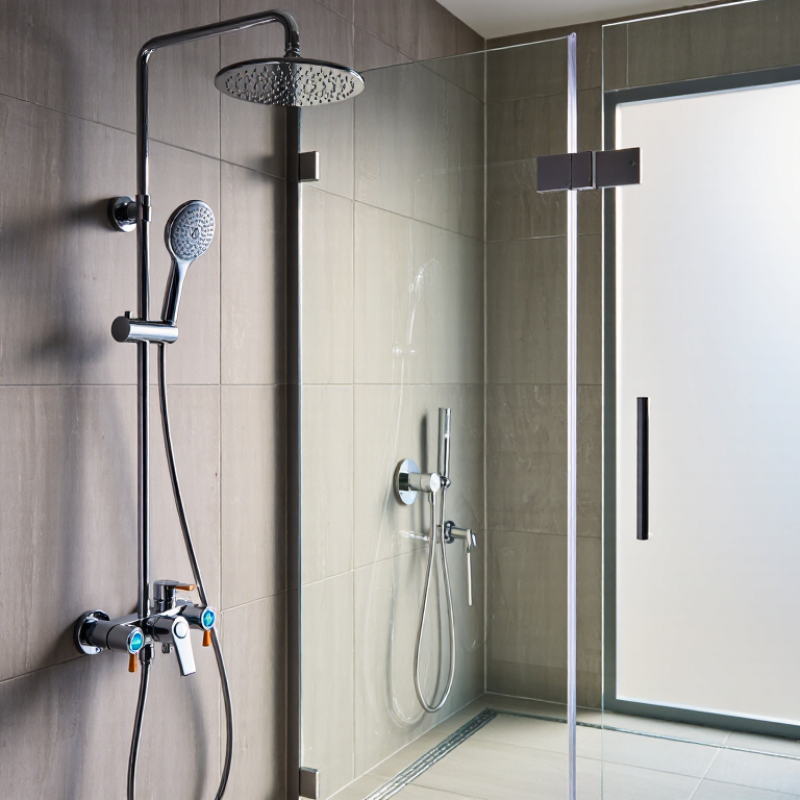
Modern shower sets in 2026 offer more than attractive fittings. The main types include exposed, concealed, thermostatic, handheld, and rainfall systems. Exposed sets keep the pipework visible and simplify repairs. Concealed sets create a cleaner wall, but installation requires careful planning. A handheld shower on a sliding rail suits family bathrooms and different user heights. Rainfall heads feel relaxing, although they may perform poorly with low water pressure.
Thermostatic controls are a practical safety feature. They maintain a steadier temperature when another tap is used. Choose a model with clear temperature markings and an easy-to-turn handle. Anti-scald protection matters, especially in homes with children or older adults. Check the water pressure before choosing a large overhead head. A wide spray can feel disappointing when the supply is weak.
Material quality also affects daily use. Solid brass valves, corrosion-resistant finishes, and flexible silicone nozzles usually support longer service. Easy-clean nozzles reduce mineral buildup around spray holes. Smart shower controls can save preset temperatures and monitor water use, but they add complexity and possible repair costs. I once focused too much on appearance and overlooked access behind the wall. That mistake is easy to repeat. Leave room for maintenance, confirm pipe compatibility, and consider whether replacement parts will remain available. A beautiful shower should still be practical at 7 a.m.
How to Choose a Modern Shower Set in 2026?
Modern shower sets differ in installation flexibility, temperature control, spray coverage, and water-efficiency potential. The chart compares common shower set types using a practical feature score based on typical product capabilities available in the 2026 market.
Higher scores indicate stronger overall capability across comfort, control, installation flexibility, and efficiency. A thermostatic bar set is a balanced choice for everyday safety, while a digital shower set offers the most advanced control and customization.
Assessing Bathroom Space, Plumbing, and Installation Requirements
Choosing a modern shower set in 2026 starts with the room, not the finish. Measure the clear floor area, ceiling height, door swing, and wall depth. A compact shower may need at least 900 millimetres of comfortable width, although local codes can differ. Leave space for elbows. Wet tiles quickly expose poor planning.
Existing plumbing matters more than appearance. Check the pipe diameter, outlet position, water pressure, and hot-water capacity before ordering. The U.S. EPA reports that WaterSense showerheads use no more than 2.0 gallons per minute, compared with the federal 2.5-gallon limit. Lower flow can reduce water use, but weak pressure may make the shower feel disappointing. Test it first. A pressure-balancing valve is useful where temperatures fluctuate. Thermostatic control can offer steadier performance, but it requires compatible supply lines and careful commissioning.
Installation access also deserves attention. The 2024 U.S. Houzz Bathroom Trends Study reported that 84% of renovating homeowners upgraded their showers, showing how central this area has become. However, popularity does not guarantee suitability. A concealed valve may create a cleaner wall, yet repairs become harder if no access panel exists. I have seen attractive layouts fail because the installer ignored stud positions. Recheck measurements before drilling. Small errors become expensive behind finished tile.
Choosing Smart Functions, Safety Features, and User-Friendly Designs
How to Choose a Modern Shower Set in 2026?
A modern shower set should make daily routines safer, not merely more connected. Smart temperature presets can deliver consistent water for different users. A clear digital display helps you check heat before stepping in. Physical controls remain valuable when hands are wet or slippery. Voice control may sound convenient, but it can fail in a noisy bathroom. I would not rely on it alone.
Safety deserves closer attention. Choose a thermostatic valve with an adjustable temperature limit and anti-scald protection. Pressure balancing can reduce sudden temperature changes when another tap opens. A textured hand-shower grip supports safer use for children and older adults. Large, tactile controls are easier to operate without looking. Keep the floor and entry area slip-resistant. Small details matter.
User-friendly design also includes practical maintenance. Select removable nozzles that resist mineral buildup and are easy to clean. A flexible hand shower should reach the seat, floor, and nearby corners. Flow control can reduce water waste, but weak pressure may frustrate users. Check the actual flow rate and installation requirements before buying. Ask a qualified installer to confirm compatibility with your plumbing and local safety rules. I once preferred a sleek control panel, then found its tiny symbols difficult to read. A beautiful design is not always a usable one. Test the controls in person when possible, and consider how the shower will feel after years of use.
Evaluating Quality, Maintenance Needs, Warranty, and Overall Value
How to Choose a Modern Shower Set in 2026?
In 2026, a modern shower set should be judged by more than its polished finish. During bathroom projects, I inspect the parts hidden behind the wall. Solid connections, precise threads, and a durable ceramic cartridge usually indicate better long-term performance. Do not trust weight alone. Ask for material details, water-pressure requirements, and replacement-part availability. A beautiful control handle becomes frustrating when its internal valve cannot be repaired.
Maintenance should fit your routine. Removable spray nozzles make mineral buildup easier to clear, especially in hard-water areas. Smooth surfaces also reduce soap residue, but they still need gentle weekly cleaning. Avoid abrasive pads and harsh chemicals. I once chose a complicated overhead system because it looked impressive. Cleaning it took longer than expected. That decision still bothers me. Simpler designs are often easier to maintain, though not always more attractive.
Warranty terms deserve careful reading. Check coverage for cartridges, seals, finishes, and labor. Confirm whether registration, professional installation, or proof of purchase is required. A long warranty means little if replacement parts are unavailable or exclusions are vague. Reliable sellers should provide readable documents and responsive service contacts. Overall value includes purchase price, installation cost, water use, maintenance time, and repair access. Keep the invoice and installation photos. You may need both years later.