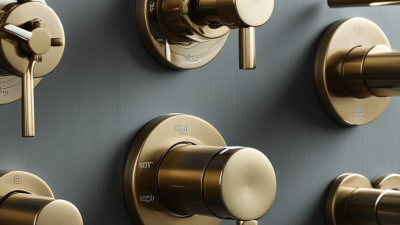
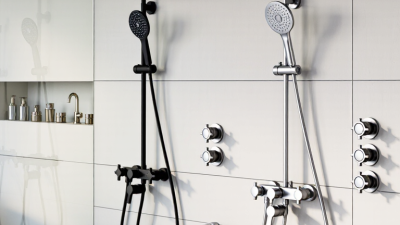
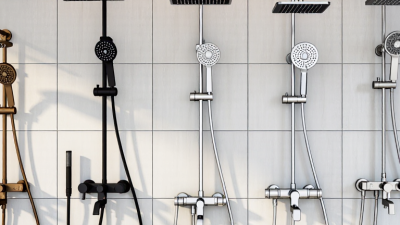
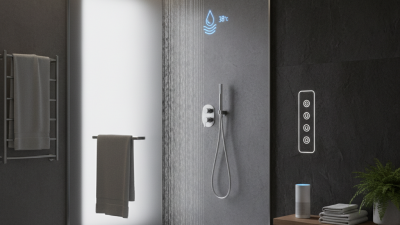
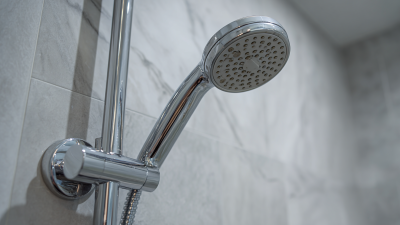
A Wall Mounted Shower Set places the showerhead, controls, and connecting pipework on the bathroom wall. Unlike a concealed system, much of its plumbing remains visible. That makes installation and future access easier to assess, though the fittings become part of the room’s visual design. Small details matter.
Richard Trethewey, a plumbing and heating expert known for his work on This Old House, has long helped homeowners understand practical plumbing choices. A concise, original summary of that installer-minded perspective is: “Choose the shower system for the room, the water supply, and the people who use it.” This is an editorial paraphrase, not a verified verbatim quotation. It captures a useful point: appearance alone cannot determine whether a set will work well.
In this guide, we’ll explain the main parts of a Wall Mounted Shower Set, how its controls and showerhead work together, and what to consider before choosing one. Picture reaching for a handle beside cool tile, then adjusting the spray without awkward stretching. Comfort, water pressure, mounting height, and finish all shape that everyday experience. A wall-mounted design can suit a compact bathroom or create a clean, deliberate look. Still, exposed pipes may not appeal to everyone, and compatibility should be checked before purchase. There is no universal best choice. The right set depends on the bathroom’s existing connections, the users’ needs, and the details that are easy to overlook.
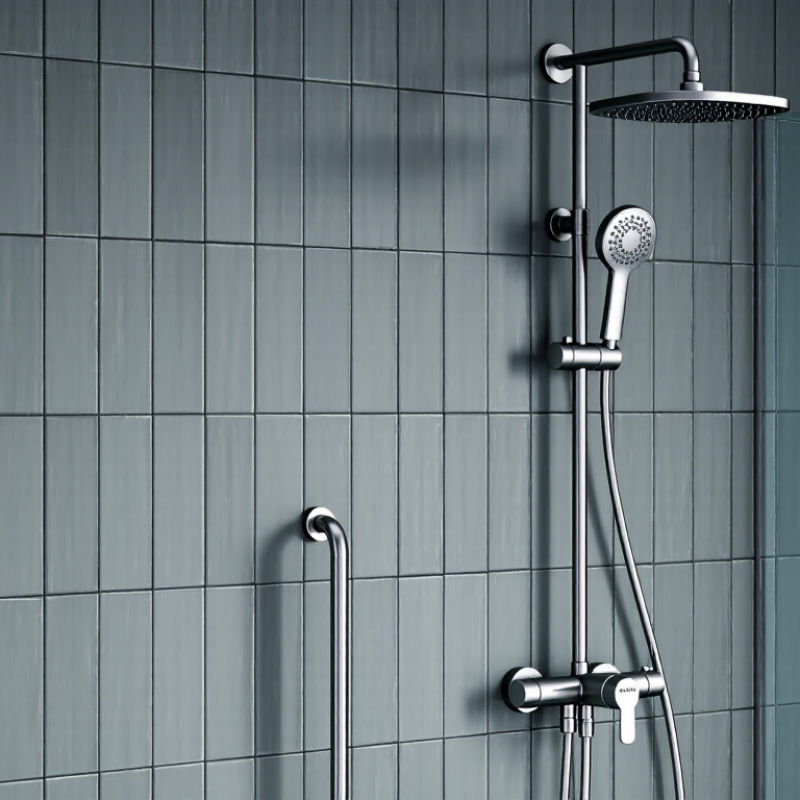
A wall-mounted shower set is a shower assembly attached to the bathroom wall. It usually includes a showerhead, a wall arm, and a control valve. Some sets also include a handheld shower and hose. The exact parts vary, so check what comes in the package. The showerhead may sit on an exposed pipe or connect to plumbing concealed behind the wall. The controls regulate water flow and temperature, while the showerhead shapes the spray. Simple, but not always simple to replace.
A key feature is its fixed position. The showerhead’s height and reach affect comfort, especially in a shared bathroom. Before installation, confirm that the valve suits the existing pipework and that the wall can provide suitable support. Concealed plumbing gives a cleaner appearance, but access for repairs may be less convenient. Exposed pipes are easier to inspect. A small mismatch in pipe placement can make the finished setup feel awkward, even when every component works.
Tips: Measure the shower area and check the valve connections before buying. Confirm whether a handheld shower is included. Keep the product instructions for future maintenance. A photo of the plumbing before the wall is closed can also help later.
A wall mounted shower set places its controls and spray outlets on the bathroom wall. The shower arm carries water from the wall to the showerhead, while the head shapes the spray into a steady pattern. A mixing valve blends hot and cold water. Its handle adjusts temperature and flow.
Small parts matter. A loose connection can cause a slow leak behind the trim, where it may be hard to spot.
Many sets also include a hand shower, flexible hose, and diverter. The diverter switches water between outlets; the hose lets you rinse a tiled corner or wash without standing under the main spray. The trim plate covers the wall opening, but it does not make an incompatible valve fit.
Check valve type, pipe connections, and available water pressure before choosing components. The U.S. EPA WaterSense program specifies that labeled showerheads use no more than 2.0 gallons per minute, compared with the 2.5-gallon standard flow rate, while using at least 20 percent less water. Actual comfort still depends on spray design and household pressure.
Tips: Run the shower briefly after installation. Check the handle’s temperature range, then inspect each joint for drips. Keep access to the valve if possible; a neat finish is not always easy to repair.
What Is a Wall Mounted Shower Set?
How a Wall-Mounted Shower Set Works
A wall-mounted shower set brings the main shower parts together on one wall. These usually include a control handle, a shower arm, and a showerhead. Some sets also have a handheld sprayer and a diverter. Pipes carry hot and cold water to a mixing valve behind or beside the wall. The handle adjusts the flow and temperature. Simple, but not magic.
When you turn the handle, the valve mixes water and sends it through the shower arm to the head. A diverter, if fitted, redirects water to another outlet, such as a handheld sprayer. Some valves help limit sudden temperature changes when water pressure shifts elsewhere in the home. The exact setup depends on the plumbing and valve type. During installation, check that connections are secure and accessible as required. A small leak behind tile can be easy to miss, so testing before closing the wall matters. I would not assume every set fits existing pipe locations.
Tips: Before choosing a set, note where the water outlets sit and how high the showerhead should be. Run the shower and check for drips, uneven flow, and comfortable temperature. If the valve feels stiff or temperatures swing sharply, have the plumbing checked rather than forcing the handle.
A wall-mounted shower set connects the showerhead to a water supply and controls hidden behind the wall.
How it works: Water travels through the wall to the mixing valve, where hot and cold water are combined. The valve sends the water through the shower arm and out of the showerhead. The chart shows U.S. flow-rate benchmarks measured at 80 psi; actual flow can vary with water pressure and the installed fixtures.
A wall-mounted shower set places its controls and shower components on or within the bathroom wall. Common configurations pair a fixed showerhead with a handheld shower on a slide rail. The handheld sprayer is useful for rinsing and cleaning the enclosure. Some sets add a diverter, which directs water between outlets. Simple setups can feel less cluttered.
Design varies with plumbing, space, and personal preference. Exposed sets show the pipework and may suit renovations where opening the wall is impractical. Concealed configurations hide much of the plumbing behind the finished surface, creating a cleaner appearance. They require careful planning, and future access to valves may be more involved. Finishes, control shapes, showerhead sizes, and rail positions also change the overall look and everyday feel. A large overhead head can look striking, but it may not suit every water supply or shower space.
Tips: Check the existing water connections and available wall depth before choosing a configuration. Place controls where they are easy to reach without standing under cold spray. Confirm that the set includes the outlets and fittings you need. Small details matter.
| Configuration | Typical Components | Water Controls | Installation Style | Common Design Variations | Key Planning Considerations |
|---|---|---|---|---|---|
| Exposed shower set | Wall-mounted showerhead, exposed mixer, and often a shower hose with hand shower | Handle or handles are visible on the wall; a diverter may switch between outlets | Most pipework and fittings remain visible outside the wall | Round or square showerheads; traditional cross handles or modern lever controls; different finish options | Usually easier to access for maintenance. Check pipe positions, wall strength, and the set’s required water connections. |
| Concealed shower set | Wall-mounted showerhead and visible control trim, with a concealed valve body and pipework | Controls operate an in-wall mixer; separate controls or a diverter may be used for multiple outlets | Valve and pipework are installed behind the finished wall | Minimal trim plates, single-lever controls, or separate temperature and flow controls | Plan before closing the wall. Confirm valve depth, access requirements, compatible trim, and suitable wall construction. |
| Single-outlet shower set | One shower outlet, commonly a fixed wall-mounted showerhead, plus a mixer | A mixer adjusts temperature and flow; there is no outlet selection unless a diverter is added | Available in exposed or concealed versions | Compact showerhead, broad rainfall-style head, or adjustable-angle head | Provides a straightforward layout. Check that the chosen showerhead suits the available water pressure and flow rate. |
| Fixed showerhead with hand shower | Wall-mounted showerhead, hand shower, hose, wall bracket or slide rail, and mixer | A diverter directs water to the fixed head, hand shower, or both where the system allows | Can use visible pipework or concealed plumbing, depending on the set | Hand shower on a fixed bracket or height-adjustable slide rail; varied hose lengths and spray patterns | Allow enough hose reach and rail clearance. Confirm how the diverter operates and whether outlets can run simultaneously. |
| Thermostatic shower set | Shower outlet or outlets paired with a thermostatic mixer | Thermostatic control is designed to maintain a selected temperature as supply conditions vary | Offered with exposed or concealed valve arrangements | Temperature dial with a safety stop, separate flow control, or integrated diverter | Follow the manufacturer’s installation guidance and check hot- and cold-water supply requirements. A thermostatic valve does not replace appropriate plumbing safeguards. |
| Multi-outlet set | Two or more outlets, such as a fixed showerhead and hand shower; some systems include additional spray outlets | A diverter or multiple control valves select outlets; simultaneous operation depends on valve design and water supply | Commonly concealed, though exposed multi-outlet arrangements are also available | Different combinations of head shapes, hand showers, control layouts, and trim styles | Check the valve’s outlet capacity, plumbing layout, and available flow. More outlets may require additional planning and wall space. |
| Design and finish variations | Variation in the showerhead, handles, trim, hose, and supporting fittings | Control type may be manual, thermostatic, or a combination, depending on the selected set | Finish and form can be specified for either exposed or concealed installations | Common forms include round or square profiles, slim or substantial trim, and polished, brushed, or matte finishes | Choose components that are compatible with the valve and intended installation. Finish appearance, cleaning needs, and long-term parts availability can vary. |
A wall-mounted shower set places the showerhead and controls on the bathroom wall, with most pipework concealed behind it. The visible fittings may look simple. The hidden work is not. Before installation, confirm the valve depth, pipe connections, water pressure, and position of wall framing. The valve must sit at the correct depth for the finished tile, not just the bare wall. That detail matters.
A plumber should check whether the existing pipework can support the selected showerhead and control valve. Pressure-balancing or thermostatic valves can help limit sudden temperature changes when other fixtures run. For water use, the EPA WaterSense Specification for Showerheads, Version 1.1, sets a maximum flow of 2.0 gallons per minute for certified models. That is at least 20% below the federal 2.5-gallon-per-minute baseline. Flow is not the only test; the specification also includes performance requirements.
Waterproofing deserves close attention around the valve openings and pipe penetrations. A neat bead of sealant cannot compensate for a poorly installed waterproofing layer. Keep access to serviceable parts in mind, too. If a concealed valve fails, reaching it through finished tile can mean costly repairs. One easy detail to overlook: check that the shower arm clears the enclosure door and directs water inside the shower. Small mistakes show up every morning.