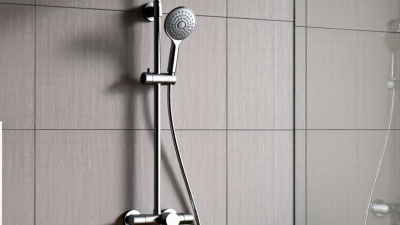
A modern shower should do more than look polished. It should deliver steady comfort, suit the room, and work with the home’s existing plumbing. The right Shower Set System can bring its controls, showerhead, hand shower, and trim into a coordinated whole. Yet a sleek finish cannot fix poor compatibility or awkward placement.
Bathroom-fixture specialist Elena Brooks puts the selection principle simply: “Choose for daily use first; let the finish follow.” A rainfall head may feel inviting, while a handheld shower can make rinsing and cleaning easier. Thermostatic controls may help keep temperature changes predictable, but installation needs and product specifications still matter. Small details count. Check the valve type, water connections, spray settings, maintenance guidance, and warranty before choosing. A beautiful control placed too far from reach is still a poor fit.
This guide explores ten Shower Set System options for contemporary bathrooms, from restrained designs to feature-rich combinations. It considers usability, materials, installation requirements, and value—not appearance alone. No single system suits every household. Some shoppers may prefer simple controls; others may want multiple spray options. The trade-offs deserve a close look. Product details can change, and individual plumbing conditions vary, so verify current manufacturer specifications and consult a qualified installer when needed. A showroom display may impress. The daily routine is the real test.
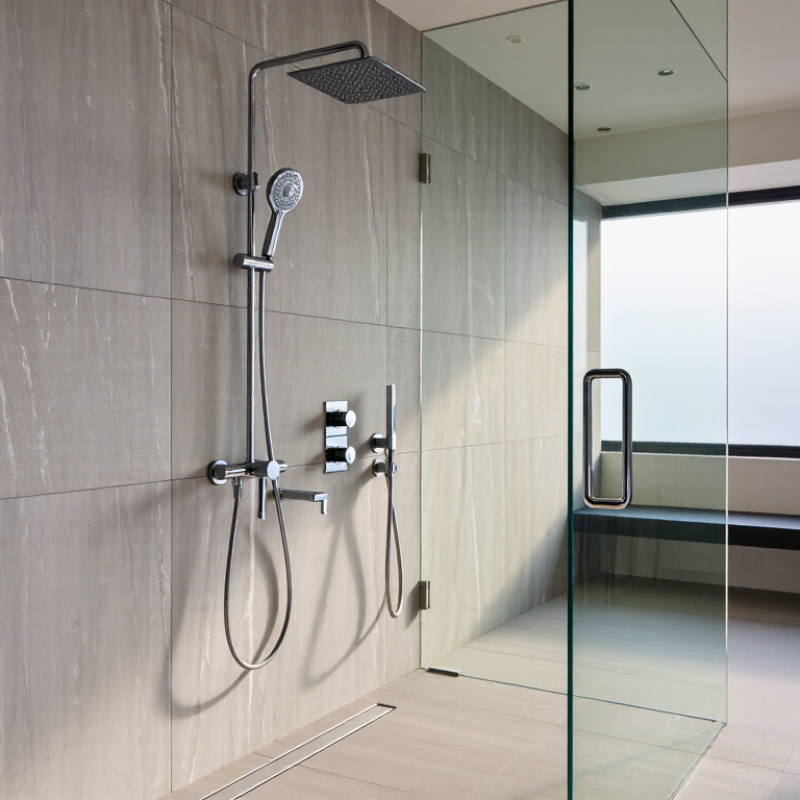
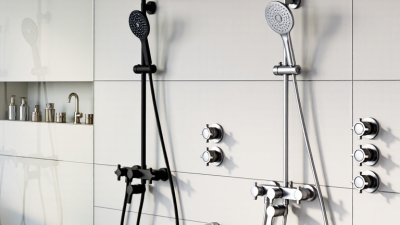
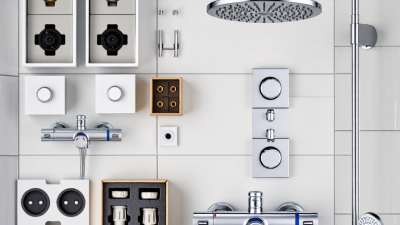
A shower set system brings several parts together: a control valve, visible trim, showerhead, and sometimes a handheld sprayer. The valve sits behind the wall and regulates water flow and temperature. Pressure-balancing valves respond to sudden pressure changes, while thermostatic valves let users set a preferred temperature more precisely. The right choice depends on existing plumbing, household needs, and installation requirements. A practical check is to confirm valve compatibility before choosing the visible fittings. One detail is easy to miss.
The showerhead shapes the spray, while a handheld sprayer adds reach for rinsing and cleaning. It usually connects through a flexible hose and may sit on an adjustable slide bar. A diverter directs water between outlets; its position and operation can affect everyday convenience. Check the hose length, mounting height, and available water pressure against the room’s layout. Finish is visible, but fit matters more. Wall depth and pipe placement can complicate installation, even when product diagrams look straightforward. I would verify those measurements early, since a small mismatch can mean extra work behind the finished wall.
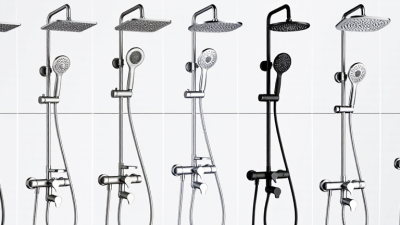
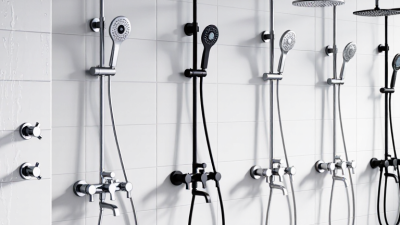
Modern bathrooms can use several shower system types, and each changes the daily experience. An exposed system keeps pipes and controls visible, making installation simpler and future repairs easier. Its hardware may look busy in a small shower. A concealed system hides pipework behind the wall, creating a cleaner finish, but installation needs careful planning and access for maintenance. Thermostatic controls help hold a steady temperature when water use changes elsewhere in the home. They are useful, though not a substitute for checking the home’s water pressure.
Tips: Measure the shower area and note existing pipe positions before choosing a set. Check that the chosen valve suits your water supply. A wide rainfall head can feel relaxing, but it may use more water and needs sufficient pressure. Pairing it with a handheld shower adds flexibility for rinsing and cleaning.
Digital systems offer precise controls and can suit homes where users prefer preset settings. However, extra electronics add complexity, and not everyone needs them. For a practical comparison, consider installation cost, maintenance access, control placement, and how many people share the bathroom. I would not choose by appearance alone; a sleek system can disappoint if its spray pattern or pressure feels wrong. There is a trade-off. Try the controls in person when possible, and confirm that replacement parts will remain accessible.
| Shower System Type | Typical Components | Temperature and Flow Control | Installation Considerations | Best Suited For | Key Trade-Off |
|---|---|---|---|---|---|
| 1. Pressure-Balance Shower Set | Single showerhead, mixing valve, and one-handle control; some sets include a handheld sprayer. | Balances hot- and cold-water pressure changes to help reduce sudden temperature shifts. Temperature and flow are commonly adjusted with one control. | Often a practical replacement where a compatible single-control valve is already installed. Valve compatibility should be checked before purchase. | Everyday bathrooms and straightforward renovations. | Typically offers simpler control and fewer outlet options than a thermostatic multi-outlet system. |
| 2. Thermostatic Shower Set | Thermostatic mixing valve, showerhead, and one or more controls; optional handheld sprayer. | Sets a target temperature independently from water flow. A thermostatic valve adjusts the hot/cold mix in response to temperature changes. | Requires a compatible thermostatic valve and suitable hot- and cold-water connections. Existing plumbing may need modification. | Households seeking steady temperature control or separate temperature and flow adjustment. | Usually costs more and can require more involved installation than a basic pressure-balance set. |
| 3. Rain Shower Set | Large overhead showerhead, arm or ceiling connection, and mixing valve; handheld spray is optional. | Control depends on the paired valve, which may be pressure-balance or thermostatic. | Confirm the showerhead’s flow rate and that the water supply can deliver the desired performance. Ceiling-mounted models may require concealed plumbing. | Bathrooms designed for a broad, overhead shower experience. | A larger spray face may feel gentler than a smaller showerhead and can use more water if operated at a higher flow rate. |
| 4. Handheld Shower Set | Handheld showerhead, flexible hose, wall bracket or slide bar, and mixing valve. | Temperature control is determined by the valve; the handheld unit may offer selectable spray patterns. | Check hose reach, mounting height, and the location of the water outlet. A wall bracket or slide bar needs secure fixing. | Flexible rinsing, cleaning the shower enclosure, and bathing while seated. | Requires holding or docking the spray head; a handheld unit alone does not provide an overhead spray. |
| 5. Fixed Head and Handheld Combination | Fixed showerhead, handheld sprayer, diverter, hose, and mixing valve. | A diverter selects or, where the design allows, combines outlets. Temperature is controlled at the mixing valve. | Verify that the valve and diverter support the intended outlet configuration and that the system’s flow capacity suits the household plumbing. | Users who want both an overhead shower and a removable spray option. | More components and connections than a single-outlet set; simultaneous operation depends on the system design and available flow. |
| 6. Dual-Outlet Shower System | Two shower outlets, such as a fixed head and handheld sprayer, with a diverter and mixing valve. | Outlet selection is controlled by a diverter. Some systems permit one outlet at a time; others are designed for more than one outlet to run together. | Check the valve’s outlet count, diverter arrangement, and water-supply capacity before selecting a system. | Bathrooms needing a choice of spray locations or shower styles. | Running multiple outlets together can reduce the flow available at each outlet, depending on plumbing and system design. |
| 7. Multi-Outlet Shower System with Body Sprays | Overhead showerhead, body sprays, mixing valve, and one or more diverters; handheld spray may be included. | Separate controls or a multi-outlet diverter select the outlets. Temperature regulation depends on the mixing valve. | Usually needs careful planning for concealed piping, valve placement, water pressure, and adequate flow. Installation is commonly more complex than for a single outlet. | Custom showers with several spray locations. | Higher plumbing and installation complexity; performance depends on the supply serving the selected outlets. |
| 8. Concealed (Rough-In) Shower System | Valve and pipework concealed behind the wall, with visible trim, controls, and one or more outlets. | Control type and outlet selection vary by the installed valve and trim configuration. | Best planned during new construction or a full renovation because access to concealed components can require opening the wall. | Minimalist bathrooms and projects where a clean, uncluttered wall appearance is a priority. | Creates a streamlined look but can make installation and later valve servicing more involved. |
| 9. Exposed-Riser Shower System | Visible vertical riser pipe, showerhead, valve, and often a height-adjustable handheld attachment. | Temperature and flow controls are built into the exposed valve; exact operation varies by valve type. | Can suit bathrooms where visible pipework is acceptable. Confirm connection locations and the system’s fit with existing plumbing. | Retrofits, accessible adjustments, or bathrooms with an industrial-inspired style. | Pipework and fittings remain visible, which may not suit a minimalist design. |
| 10. Accessible Shower Set with Slide Bar | Handheld showerhead, adjustable slide bar, long hose, and mixing valve; a fixed head may be added. | Temperature control depends on the valve. The slide bar allows the handheld holder to be positioned at different heights. | Mount the bar securely at a useful height and confirm hose length and reach. A slide bar is not automatically a load-bearing grab bar. | Shared bathrooms, seated showering, and users who benefit from adjustable spray height. | Mounting position matters; use separately rated grab bars where support for body weight is needed. |
A shower set should fit both the bathroom’s style and its daily demands. Look for solid brass or stainless-steel components, and check whether the finish resists water spots and corrosion. A polished surface looks bright, but it may show fingerprints quickly. Small detail, real upkeep.
Controls matter as much as appearance. A thermostatic valve helps maintain a steadier temperature when someone uses water elsewhere in the home. Separate controls for temperature and spray settings can make adjustments easier, especially with wet hands. Check the handle position and labeling before buying; an awkward control can be frustrating every morning. Water performance also depends on household pressure, pipe size, and the showerhead design. Compare the stated flow rate with your needs, and confirm compatibility with existing plumbing. High pressure is not always better.
Tips: Ask a plumber to check pressure and valve compatibility before installation. If possible, test the controls in a showroom. Notice how easily they turn, whether settings are clear, and how the spray feels. Product specifications help, but they cannot fully predict the experience in your own bathroom. I would not choose by appearance alone.
A comparison of U.S. showerhead flow-rate limits and the EPA WaterSense maximum. Lower flow rates can reduce water use; actual performance also depends on pressure and system design.
Benchmarks are standards, not product ratings. Flow rates are measured at 80 psi. Sources: U.S. Department of Energy showerhead standard; California appliance efficiency regulations; EPA WaterSense Specification for Showerheads.
A thermostatic shower set keeps water near a chosen temperature, which can help households with changing hot-water demand. A pressure-balancing set responds to sudden pressure shifts, though it may not hold an exact temperature. Rain-shower systems offer broad overhead coverage; check ceiling height and water pressure before choosing one. A handheld set is easier for rinsing children, pets, or shower walls. A fixed head paired with a handheld sprayer gives both options in one setup. Useful, but it can look crowded in a small enclosure.
A slide-bar system lets users adjust the handheld head’s height, making it practical for shared bathrooms. Body-spray sets add multiple jets, but need careful planning for plumbing, pressure, and cleaning access. Low-flow systems can reduce water use while maintaining a comfortable spray; performance varies by design. Digital-control sets allow precise temperature settings, yet they add components that may need specialist installation. A tub-and-shower set serves bathrooms where one fixture must handle bathing and quick showers.
Match the system to the room, not just the finish.
Measure the enclosure, note existing pipe locations, and check the water heater’s capacity. A large rain head may disappoint when household pressure is modest.
That detail is easy to overlook.
Installation complexity also differs, so confirm compatibility before buying. Even a well-chosen set can feel wrong if controls sit beyond easy reach.
A dependable shower set starts with careful installation. Flush supply lines before fitting the valve; grit can damage cartridges and weaken temperature control. Keep the valve level, seal threaded joints correctly, and check every connection for leaks before closing the wall. The EPA WaterSense program reports that certified showerheads use no more than 2.0 gallons per minute. Its estimates suggest an average family can save about 2,700 gallons of water yearly by replacing older showerheads. Savings matter, but they do not prove a system will last.
Tips: Wipe mineral deposits from spray nozzles with a soft cloth. Check the handle and trim for looseness every few months. If water pressure changes sharply, inspect the cartridge rather than forcing the control.
Long-term reliability depends on parts, water quality, and access for repairs. The National Association of Home Builders’ Study of Life Expectancy of Home Components estimates faucet service life at about 15 years. That is a broad estimate, not a warranty; hard water and poor installation can shorten it. Choose a set with replaceable cartridges and accessible service points. Keep the installation guide and note the cartridge model. A small leak behind tile is easy to miss. Even careful maintenance cannot prevent every failure, so inspect the wall and floor for damp patches or loose grout.