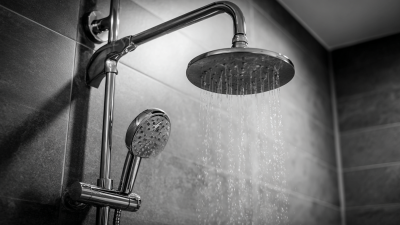
Choosing the right Wash Room Shower Set can feel simple until water pressure, plumbing sizes, and local standards create unexpected problems. Global buyers need more than attractive product photos. They need dependable materials, clear specifications, safe temperature control, and support after delivery. This guide reviews ten shower sets from a practical purchasing perspective, considering design, function, installation, maintenance, and supplier reliability.
Each selection deserves close attention. A solid brass valve may offer better durability than lightweight alternatives, while stainless steel can resist corrosion in humid wash rooms. Thermostatic controls can improve comfort, especially in homes with children or older users. Hand showers, flexible hoses, rain heads, and adjustable brackets also affect daily convenience. However, performance depends on installation quality and available water pressure. A premium-looking set may disappoint when its flow rate does not suit the building.
The comparison also considers finish quality, replacement parts, warranty terms, packaging, and communication with international suppliers. Buyers should verify thread sizes, certifications, delivery conditions, and after-sales policies before ordering. Details matter. No shower set is perfect for every market, and product rankings can change with budget, climate, and plumbing conditions. I may favor practical durability over fashionable styling, but that preference deserves review. Real-world testing is limited by regional differences, so readers should confirm technical data locally. A reliable choice is not always the most expensive one. It is the set that performs safely, fits correctly, and remains serviceable over time.
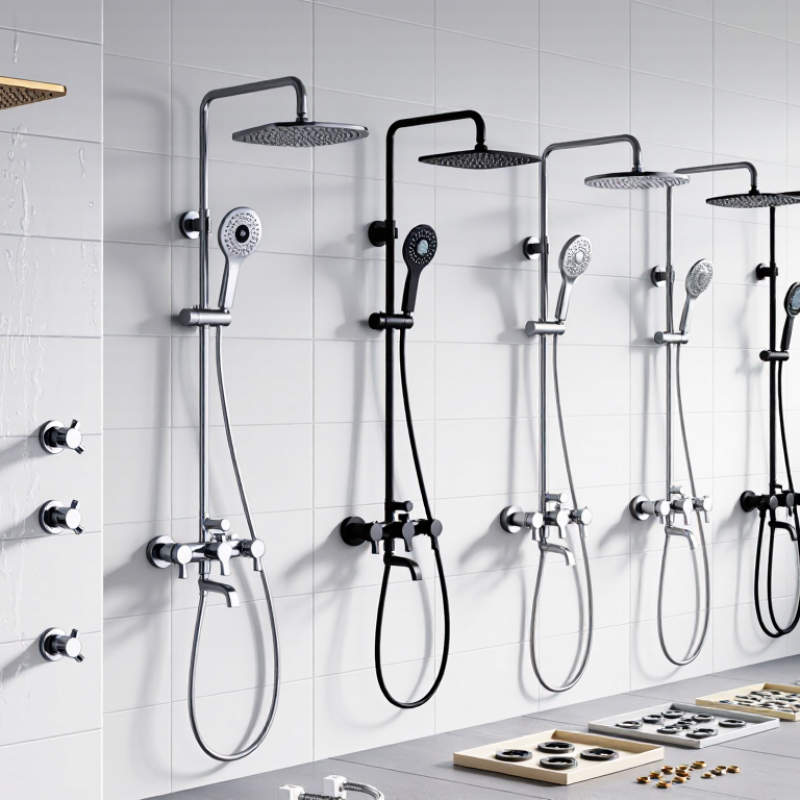
Understanding Shower Set Types for Different Washroom Designs
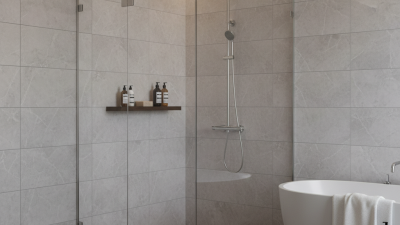
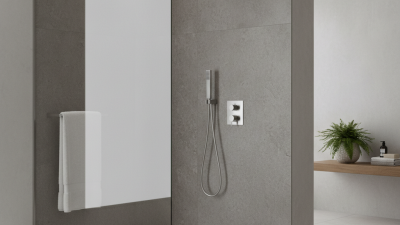
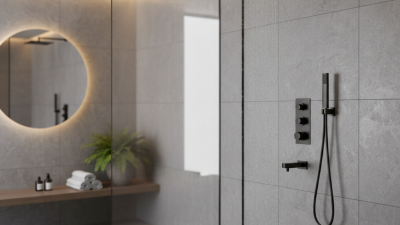
Choosing a shower set starts with the washroom layout, not appearance. An exposed shower set keeps the valve and pipework visible, making installation easier and repairs more accessible. It suits renovation projects and compact bathrooms. A concealed set hides the plumbing behind the wall, creating a clean, modern surface. However, it requires accurate planning before tiles are installed. Pressure matters.
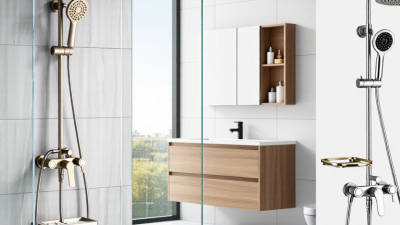
A hand shower on an adjustable rail supports family bathrooms, cleaning tasks, and users with different heights. It also improves accessibility when mounted within easy reach. A fixed rain shower offers a relaxing flow, but it may perform poorly with weak water pressure. Test the supply before choosing a wide head. A thermostatic valve can maintain steadier temperature and reduce sudden changes, especially in busy homes. Keep it simple.
For a narrow washroom, a compact overhead head with a separate hand shower can preserve movement space. In a large, spa-style design, dual outlets create flexibility, though they need suitable pipe capacity. Water-saving flow restrictors may lower consumption, but some users dislike the lighter spray. That criticism is fair. Check local water conditions, maintenance access, anti-scale features, and replacement parts before purchase. A polished finish can hide poor internal quality, so installation guidance and tested safety performance deserve equal attention.
When choosing a shower set for global bathrooms, look beyond polished photographs. A high-quality set should use corrosion-resistant brass or certified stainless steel for its main body. These materials handle humidity, mineral deposits, and repeated temperature changes better than thin plated alloys. Check the cartridge carefully. A ceramic cartridge should move smoothly, prevent dripping, and tolerate frequent use. Thermostatic control is valuable in family bathrooms because it helps limit sudden temperature changes.
Water performance also matters. Confirm the required pressure range before ordering. A beautiful rainfall head may perform poorly in a low-pressure apartment. Look for easy-clean silicone nozzles, a flexible hose with strong connectors, and adjustable mounting points. Thread sizes can differ between regions, so verify local plumbing compatibility. Safety features deserve attention too. A temperature limiter and insulated surfaces can reduce scalding risks, especially for children and older users.
Tips: Ask for material details, flow-rate data, installation drawings, and independent test documentation. Inspect the finish under bright light. Uneven coating often signals weak quality control. A longer warranty is useful, but it does not replace proper certification. I would also leave access to the cartridge, even when a concealed design looks cleaner. That choice is not perfect aesthetically, yet future maintenance becomes far less disruptive. Before purchase, compare water efficiency, replacement-part availability, and local installer experience.
Flow-rate benchmarks help global buyers compare water efficiency, pressure performance, and regulatory compatibility when selecting a high-quality shower set.
How to read the chart: The values show maximum labeled shower flow rates in litres per minute under widely used regional efficiency benchmarks. A high-quality shower set should combine an appropriate flow rate with thermostatic anti-scald protection, durable stainless steel or brass construction, a reliable ceramic cartridge, easy-clean spray nozzles, and stable performance across the intended water-pressure range.
Comparing shower sets starts with the bathroom, not the product photo. Measure the wall outlet, ceiling height, pipe spacing, and available water pressure. A wide overhead shower may look impressive, but it can perform poorly in a low-pressure apartment. Measure twice. Fit matters.
Check the materials carefully. Solid brass or certified stainless steel usually offers better durability than thin, poorly finished metal. Examine the valve body, cartridge, hose flexibility, and surface coating. Smooth ceramic cartridges often provide more precise temperature control.
Ask for test reports, installation drawings, spare-part details, and warranty terms. Certification requirements differ between countries, so buyers should verify local plumbing and water-efficiency rules before ordering. Product claims without documents deserve caution.
I once underestimated hose length during a bathroom renovation. That mistake was mine. The shower head looked suitable, yet it could not reach the lower bracket comfortably. For international purchases, compare thread sizes, adapter needs, packaging protection, and replacement availability. A set with fewer features may be more reliable than one with several fragile functions. Also inspect the cleaning design. Anti-limescale nozzles help, but they still need regular wiping in hard-water areas. Reviews are useful, though they can reflect different water systems and installation habits. A practical comparison should weigh verified specifications, real user experience, service support, and long-term maintenance rather than appearance alone.
For global buyers, the best wash room shower set is not simply the most attractive option. It must match local water pressure, pipe threads, hygiene rules, and installation practice. Ask suppliers for material declarations, pressure-test records, flow-rate data, and maintenance instructions. Requirements differ between countries, so verify local plumbing codes before placing a large order. CE marking may apply to certain components, but it does not replace local plumbing approval or performance testing.
Materials influence service life and user safety. Grade 304 stainless steel suits many indoor bathrooms, while grade 316 offers better resistance in coastal or humid areas. Brass bodies provide strength, but they should meet applicable limits for substances that may contact drinking water. ABS can reduce weight and cost, although heat resistance varies. Choose ceramic cartridges, corrosion-resistant springs, and durable seals. Finishes should tolerate cleaners without peeling. Some low-cost coatings look excellent under showroom lights. That weakness appears later.
Installation needs accurate measurements. G1/2 connections are common, but buyers should confirm thread standards and adapter availability. Check minimum and maximum working pressure before fitting the set. Flush pipes thoroughly to remove grit that can damage cartridges. Installers should seal wall joints carefully and test for leaks under pressure. Thermostatic models need correct hot and cold orientation. Anti-scald protection is valuable in homes, hotels, and care facilities. Leave access for cartridge replacement. A practical concern is often missed: spare seals and compatible parts may be unavailable in the destination market.
Budget should include more than the product price. A low-cost shower set may need adapters, new hoses, or replacement seals. The U.S. Environmental Protection Agency’s WaterSense data shows that certified showerheads can use no more than 2.0 gallons per minute. An average family may save about 2,700 gallons of water yearly. That can reduce utility costs, but performance still depends on local pressure. Cheap is not always economical.
Compatibility requires careful checking. Measure the wall outlet, hose thread, valve depth, and pipe spacing before ordering. G1/2 connections are common, but some markets use different thread standards. Thermostatic sets also need stable hot and cold water supplies. The World Health Organization highlights temperature control as an important factor in safer bathing environments. Still, installation guides can be unclear. Buyers should confirm technical drawings with a qualified installer.
Tips: Keep photos of the existing connections. Ask whether cartridges, washers, and handles remain available after purchase. A useful warranty should state coverage periods, spare-part support, and service response times. Check whether support operates in your time zone. A two-year warranty sounds helpful, but it means little without replacement parts. Industry purchasing surveys often identify after-sales service as a major factor in durable bathroom investment. My practical view is simple: compare the five-year ownership cost, not only the online price.