Why Choose a Wash Room Shower Set for Your Bathroom?
Why Choose a Wash Room Shower Set for Your Bathroom?
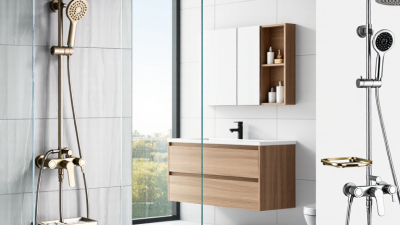
A bathroom should feel calm, practical, and easy to use. The right Wash Room Shower Set can support all three goals. It combines the shower head, hand shower, controls, and matching fittings into one coordinated system. This reduces guesswork during installation. It can also create a cleaner visual line around the wall.
Mike Holmes, a respected Canadian contractor and home-improvement expert, has often stated, “Good design is about making things work better, not just look better.” That idea matters in a shower space. A comfortable spray pattern, steady temperature control, and reachable hand shower can improve daily routines. Small details matter. A textured control knob is easier to turn with wet hands. A flexible hose can help rinse children, pets, or a tiled corner.
A complete set may also simplify product matching. Finishes usually align. Connections are easier to plan. Maintenance can become more predictable when components come from one product range. However, choosing a set is not automatically the best decision. A beautiful chrome finish may show water spots quickly. A powerful spray may waste water or feel harsh. Wall depth, plumbing location, user height, and cleaning habits must be considered before purchase.
That is where practical experience becomes valuable. Inspect the valves, seals, cartridge quality, and replacement-part availability. Do not judge the set by appearance alone. A thoughtful Wash Room Shower Set should make the room safer, more comfortable, and easier to maintain. Sometimes, the simplest design performs best.
What Defines a Wash Room Shower Set? Components, Standards, and Uses
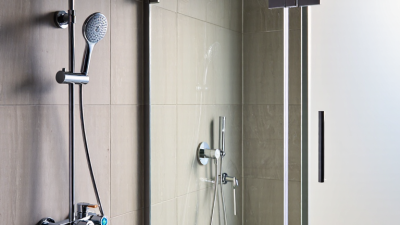
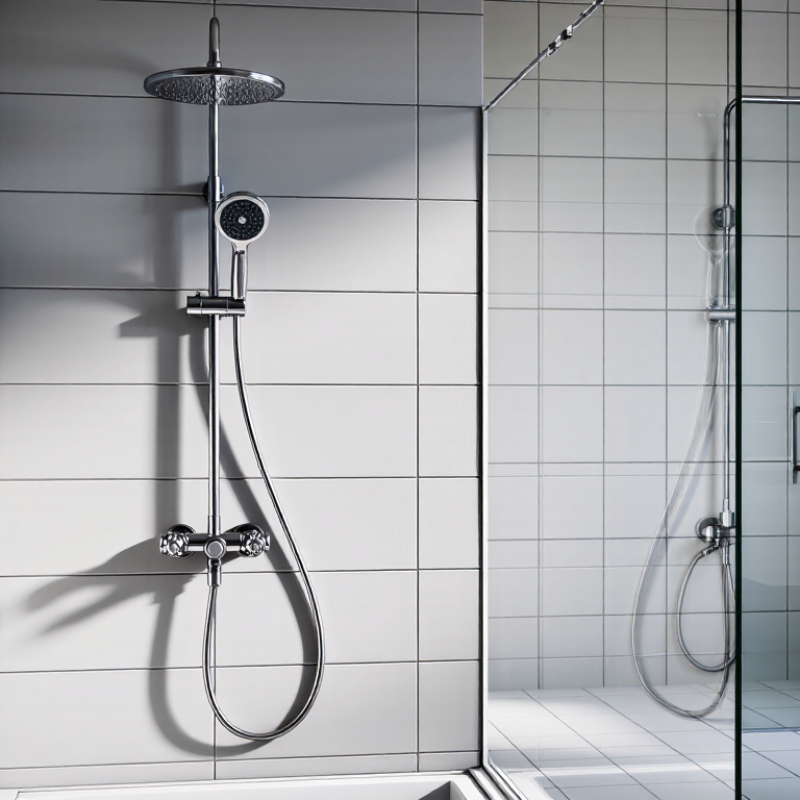
A wash room shower set combines the parts needed for controlled bathing in one coordinated system. Its core components usually include a mixer, showerhead, hose, hand shower, riser rail, and wall fittings. Some sets also include diverters, shelves, or thermostatic controls. The mixer regulates water volume and temperature, while the diverter directs flow between outlets. A hand shower helps rinse children, pets, or hard-to-reach areas. Small details matter here, especially when wet hands meet smooth controls.
Standards define more than appearance. A reliable set should use water-safe materials and follow the plumbing requirements of its intended market. Check documentation for pressure ratings, temperature limits, flow performance, and backflow protection. Thermostatic models can reduce sudden temperature changes, but they still require correct installation. Anti-scald protection is valuable in family bathrooms. Local codes may also specify pipe connections, spacing, and testing procedures. These requirements are not identical everywhere. Professional installers should verify them before drilling or connecting pipes.
The best use depends on the room and its users. A compact rail set suits a small shower enclosure. A dual-outlet set offers flexibility for daily rinsing and cleaning. In practice, easy-to-turn controls are often more useful than decorative finishes. No set is perfect. A powerful spray may waste water, while a low-flow head can feel weak in some homes. Testing pressure and water temperature on site prevents disappointing results. Cleanable nozzles and accessible fittings also make routine maintenance less frustrating.
Why Choose a Wash Room Shower Set for Your Bathroom?
What defines a wash room shower set? It combines a showerhead, hand shower, hose, control valve, diverter, and mounting hardware into one coordinated system. The chart compares recognized maximum flow-rate limits for common shower-flow standards.
Lower flow rates can reduce water consumption while maintaining everyday shower functionality. Actual performance also depends on water pressure, pipework, and the selected shower components.
Showerhead
Distributes water across multiple spray outlets for full-body coverage.
Hand Shower
Provides flexible direction for rinsing, accessibility, and cleaning the wash area.
Control & Diverter
Regulates temperature and flow, then directs water between outlets.
How EPA WaterSense’s 2.0 GPM Limit Improves Water Efficiency
Why Choose a Wash Room Shower Set for Your Bathroom?
A washroom shower set can improve daily comfort while controlling water use. The EPA WaterSense program limits labeled showerheads to 2.0 gallons per minute, or GPM, at standard testing pressure. This rate uses about 20 percent less water than the common 2.5 GPM limit. In practice, a household taking several showers each day may reduce both water consumption and water-heating demand. The saving becomes noticeable. Small change, repeated daily.
WaterSense-labeled showerheads are independently certified for efficiency and spray performance. When choosing a complete set, check every outlet, including the hand shower and overhead shower. A high-flow second outlet can weaken the benefit. During installation, clean the filter and inspect the connection for leaks. A flow restrictor cannot fix poor plumbing pressure or a clogged inlet. A simple bucket test offers a useful check: run one outlet for 15 seconds, measure the collected water, and multiply by four. Timing is imperfect. Water pressure, temperature, and valve position can affect the result. That limitation deserves attention. A 2.0 GPM rating also does not guarantee that every user will prefer the spray feel. Look for steady coverage, easy adjustment, and comfortable control. Comfort still matters.
Which Safety Features Meet ASME A112.18.1 and ADA Guidelines?
Why Choose a Wash Room Shower Set for Your Bathroom?
A wash room shower set can improve comfort, but safety deserves greater attention. ASME A112.18.1 evaluates plumbing supply fittings for performance, durability, materials, and pressure resistance. It does not automatically confirm full ADA accessibility. Look for clear compliance documentation, not vague packaging claims.
An anti-scald limit stop helps prevent dangerously hot water. A pressure-balancing or thermostatic valve can reduce sudden temperature changes. Test it with a thermometer. Handheld sprays should have flexible hoses and controls within an accessible reach range. ADA guidance also considers usable floor space, lever-style handles, and stable grab-bar placement. A hose should reach the user comfortably without pulling the wall fitting.
Small details matter.
During practical bathroom planning, a fixture may appear accessible but still require excessive force. A glossy handle can be difficult for wet hands. A high-mounted control can frustrate someone using a shower seat. Choose fittings with textured surfaces, simple movement, and readable temperature markings. Confirm the installation height and clearances with a qualified plumber. Local building rules may add requirements beyond ASME and ADA guidance. Even careful specifications can miss real user needs, so test the completed shower from a seated position and review the result honestly.
How to Choose Shower Set Size, Materials, Spray Modes, and Controls
Choosing a wash room shower set starts with the room, not the catalog.
Measure the wall, ceiling height, and distance from the drain. A compact shower usually works well with a 70–90 cm control area. Leave enough elbow space near the mixer. I once planned a beautiful overhead shower too close to a cabinet. It looked fine on paper, but daily use felt cramped.
Material affects comfort and maintenance.
Stainless steel and solid brass usually provide dependable strength, while coated surfaces need gentle cleaning. Avoid rough joints and thin handles. They can collect water and become difficult to clean. Check the cartridge quality and connection size with a qualified installer. Local plumbing requirements also matter. A polished finish shows fingerprints quickly. Matte finishes may hide them better, though they can still show mineral spots.
Spray modes should match real habits.
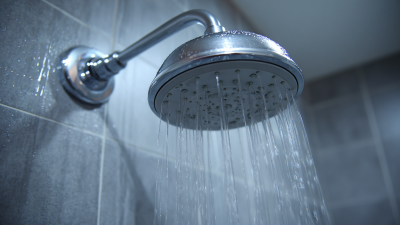
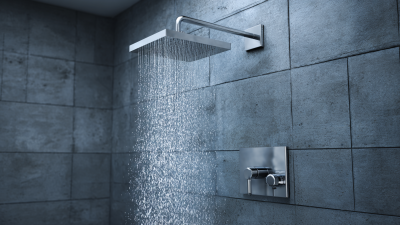
A wide rain spray feels relaxing, while a focused spray helps rinse shampoo or clean the floor. More modes are not always better. Controls should be reachable without stepping fully under cold water. A clear temperature marker helps children and older users. Separate flow and temperature controls offer precision, but simple controls can be easier for guests. Test the handle movement before installation. A small control detail can shape the whole morning routine.
How Maintenance Supports Performance Against EPA’s 17% Water-Use Benchmark
Why Choose a Washroom Shower Set for Your Bathroom?
A well-maintained washroom shower set can support lower water use without reducing daily comfort. The U.S. Environmental Protection Agency’s WaterSense program reports that showers represent nearly 17% of indoor residential water consumption. That figure is not a fixture-efficiency limit. It shows why shower maintenance deserves attention. A WaterSense-labeled showerhead uses no more than 2.0 gallons per minute, compared with the federal standard of 2.5 gallons.
Performance depends on more than the initial installation. Mineral deposits can narrow spray openings and create uneven pressure. Remove the showerhead periodically and soak its face in suitable descaling solution. Rinse it fully afterward. Check the hose connection, washer, and diverter for small leaks. A slow drip may seem harmless, yet it can waste water continuously. The EPA estimates household leaks can waste nearly 10,000 gallons annually.
Simple measurements improve reliability. Place a bucket under the shower and record the collected water for one minute. This practical test can reveal a rising flow rate before comfort changes. Keep the result beside your maintenance notes. Even careful owners forget the last cleaning date. That is the weak point. Local water hardness, household pressure, and cleaning habits also affect results, so one maintenance schedule cannot fit every bathroom. The EPA WaterSense Specification for Showerheads and the U.S. Geological Survey’s residential water-use research provide useful technical reference points.