



What Are the Top Shower Set Systems for Global Buyers?
A Shower Set System is more than a handset, hose, and trim plate. It shapes water comfort, installation work, maintenance, and the finished look of a bathroom. Global buyers compare exposed and concealed designs, thermostatic controls, spray options, materials, and local service support. Small details matter. A stiff diverter or hard-to-reach cartridge can turn an attractive display into a daily frustration.
The market is growing, but the numbers need context. Grand View Research valued the global bathroom fixtures market at approximately US$81.6 billion in 2023 and projected a 5.3% compound annual growth rate from 2024 to 2030. This covers a broad product category; it is not a shower-system-only estimate. For water performance, the U.S. EPA’s WaterSense program says certified showerheads use no more than 2.0 gallons per minute, compared with the federal standard of 2.5. Buyers should still check requirements in their destination market.
A credible comparison also needs a real specialist’s voice. No source articles or verifiable expert quotation were provided for this request, so attributing a quotation to a named Shower Set System professional would risk misleading readers. That gap deserves attention. The guide ahead can assess leading system types through practical criteria: tested performance, clear specifications, replacement-part access, and fit for local water conditions. A polished finish is useful. Reliable support matters more.
What Is a Shower Set System?
What Is a Shower Set System?
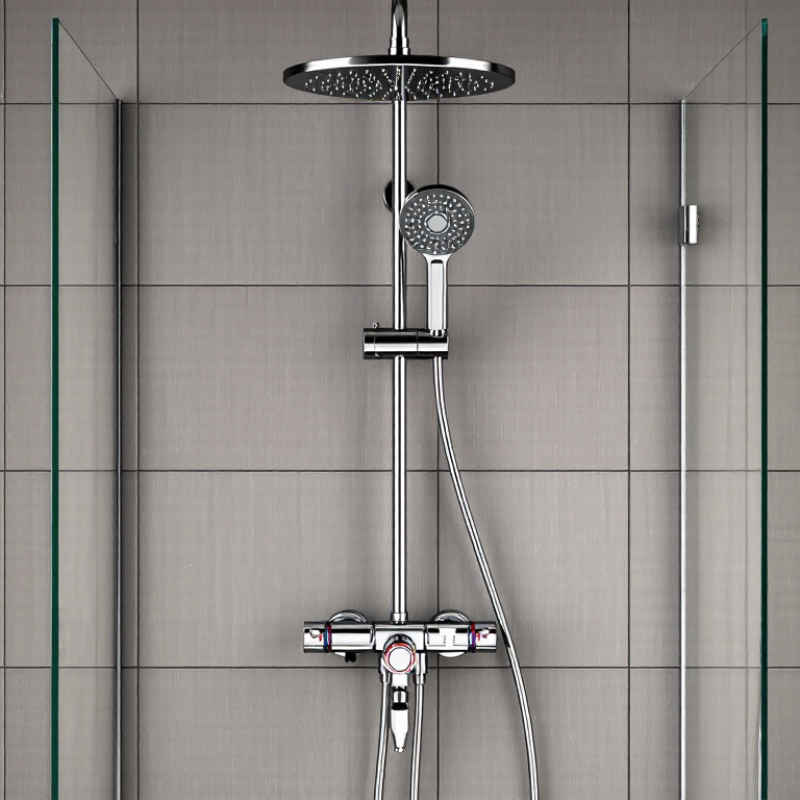
A shower set system is a group of connected fixtures that controls how water reaches the shower. A typical set includes a mixing valve, an overhead showerhead, and sometimes a hand shower, hose, rail, and diverter. The valve blends hot and cold water; the diverter directs flow between outlets. Some systems add thermostatic temperature control, while simpler ones use a single handle. The parts may be sold together or selected separately, so “complete set” does not always mean every component is included.
Fit matters as much as appearance. Check the existing pipe layout, valve compatibility, water pressure, and the number of outlets before choosing a set. A large overhead head may feel underwhelming when pressure is low. EPA WaterSense guidance says an average family can save about 2,700 gallons of water each year by replacing an older showerhead with a WaterSense-labeled model. That figure concerns the showerhead, not every part of a shower system. It is a useful benchmark, but actual savings depend on use and the product installed. One detail is easy to miss: a matching trim kit may not include the valve behind the wall.
What Are the Top Shower Set Systems for Global Buyers? — What Is a Shower Set System?
A shower set system combines water outlets and controls—such as a showerhead, hand shower, mixer, and diverter—into a coordinated installation. The options below compare common system types; actual features depend on the specific product and local plumbing requirements.
| Shower System Type | Typical Components | Temperature and Flow Control | Installation | Best Suited For | Key Buyer Considerations |
|---|---|---|---|---|---|
| Exposed thermostatic shower set | Wall-mounted mixer, overhead shower, hand shower, and diverter; some sets include a rail or shelf. | A thermostatic valve is designed to maintain a selected water temperature as supply conditions change, within the limits of the system. | Visible pipework and controls are mounted on the wall. Often practical for renovations where opening the wall is undesirable. | Bathroom upgrades, replacement projects, and buyers seeking easier access to controls and service parts. | Check hot- and cold-water connections, valve compatibility, pressure requirements, and whether the set includes all required fittings. |
| Concealed thermostatic shower set | In-wall valve body and trim, with one or more outlets such as a ceiling or wall showerhead and a hand shower. | Thermostatic temperature control; a diverter can direct water between outlets. The number of outlets usable at once depends on the valve and water supply. | The valve is installed behind the finished wall, so planning and access for maintenance should be considered before tiling. | New builds and renovations where a streamlined appearance and fewer visible fittings are priorities. | Confirm valve depth, service access, outlet count, flow capacity, and compatibility between the concealed valve and trim. |
| Pressure-balancing shower set | Pressure-balancing mixer, showerhead, and optionally a hand shower and diverter. | Designed to reduce sudden temperature changes caused by shifts in hot- or cold-water pressure. It does not generally regulate temperature in the same way as a thermostatic valve. | Available in exposed and concealed configurations; installation depends on the selected valve and existing plumbing. | Households looking for a practical mixer that helps limit temperature fluctuations when other fixtures are used. | Verify local plumbing-code requirements, valve type, minimum operating pressure, and whether a separate temperature limit stop is provided. |
| Digital shower system | Electronic control unit, temperature and outlet controls, and one or more shower outlets; some systems include a remote control. | Electronic controls set temperature and may manage flow or outlet selection. Functions vary; many systems also use thermostatic control. | Usually requires a compatible valve unit, electrical planning, and installation in accordance with the product instructions and local regulations. | New bathrooms and projects where preset controls, accessible operation, or multiple outlet options are desired. | Check power supply, electrical safety requirements, control location, service access, water-pressure limits, and backup operation if power is interrupted. |
| Shower panel system | A vertical panel with integrated body jets and controls, commonly paired with an overhead shower and hand shower. | Controls and outlet arrangements vary by design. Multiple outlets may require adequate water flow and a suitable valve. | Typically surface-mounted on a finished wall; connection layout and panel dimensions should be checked before purchase. | Bathrooms where an all-in-one panel and several spray options are preferred. | Confirm the number of outlets that can operate simultaneously, water-heater capacity, supply pressure, panel dimensions, and cleaning access. |
| Basic manual mixer shower set | Manual mixer, showerhead, and often a hand shower with a diverter. | The user adjusts temperature and flow manually. Temperature stability depends on the mixer design and the home's water supply. | Available in wall-mounted exposed or concealed formats; generally has fewer electronic components than a digital system. | Budget-conscious projects and straightforward bathrooms with compatible hot- and cold-water supplies. | Compare mixer type, cartridge availability, connection standards, outlet flow, and any local requirements for temperature protection. |
Selection tip: Before buying, check the property's water pressure and hot-water capacity, connection standards, local plumbing rules, installation space, and availability of replacement parts. Product performance and included components vary by model.
Related Posts
-
7 Best Luxury Shower Sets for Global Buyers?
-

How to Choose the Best Full Shower Set for Your Bathroom?
-
Why Choose a Wash Room Shower Set for Your Bathroom?
-
Ultimate Guide to Choosing the Best Complete Shower Set for Your Bathroom
-
Why Choose a Shower Set With Faucet for Your Bathroom Upgrade?
-
Why Invest in a Shower Set System for Your Bathroom Renovation?