page_banner

What Is the Best Rainfall Shower Set in 2026?

Choosing the best Rainfall Shower Set in 2026 is about more than a wide showerhead or a polished finish. The right system should deliver steady coverage, suit your water pressure, and fit the room without making daily use awkward. A broad overhead spray can feel calm and enveloping, but it may use more water or feel less forceful than expected. Small details matter: the height of the arm, the reach of the handheld spray, and whether controls are easy to adjust with wet hands.

This guide compares the features that shape real bathroom performance, including spray patterns, materials, installation needs, and maintenance. It also separates useful specifications from attractive product claims. For a properly sourced expert perspective, insert a verified specialist’s name and exact comment here: “[Add an attributable quote about choosing a rainfall shower set.]” That quotation should be checked against a reliable interview or publication before use; inventing an expert endorsement would weaken trust.

There is no universal winner. A renter, a tall household, and someone renovating an older bathroom may need very different setups. Water pressure can disappoint. A luxurious-looking fixture can be surprisingly impractical. The recommendations ahead weigh these trade-offs carefully, so you can identify a Rainfall Shower Set that fits your space, budget, and everyday routine—not just the product photos.
What Is the Best Rainfall Shower Set in 2026?

What Is a Rainfall Shower Set?

What Is the Best Rainfall Shower Set in 2026?

What Is a Rainfall Shower Set?

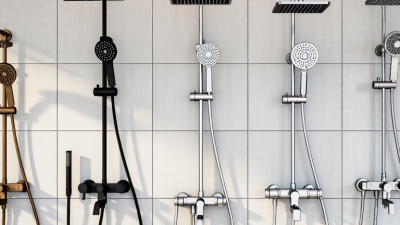
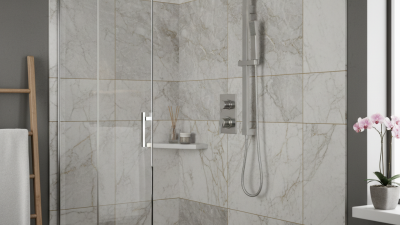
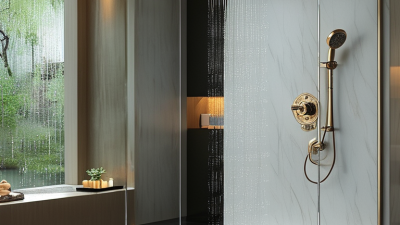
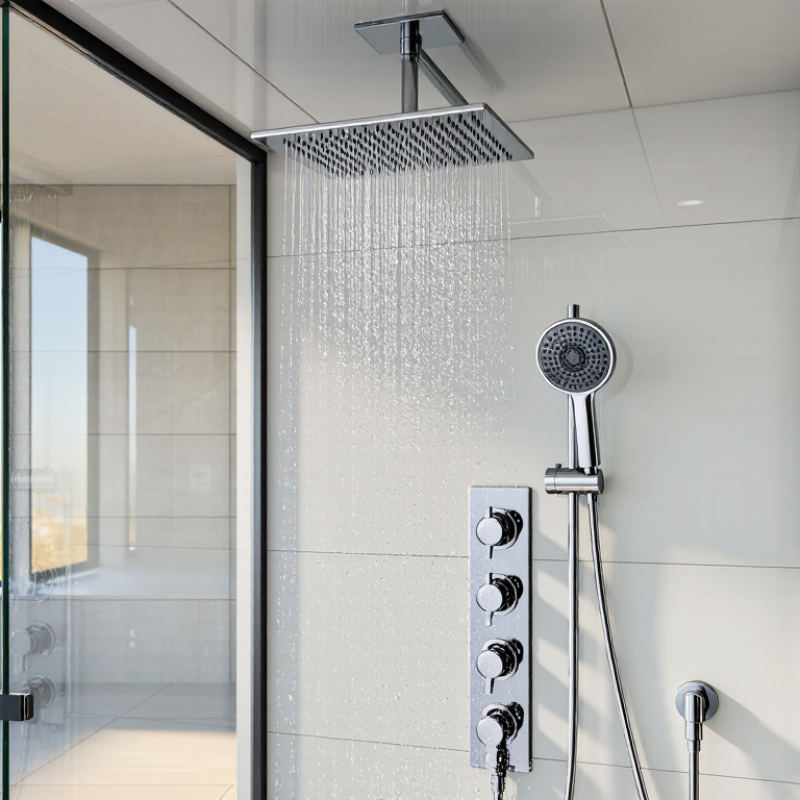
A rainfall shower set is a shower system with a broad overhead head designed to spread water across the body. The head may sit on a ceiling arm or extend from a wall-mounted pipe. Many sets also include a handheld shower, a mixer valve, and a diverter to switch between outlets. The wide spray can feel gentle on the shoulders, but it may not rinse thick hair as quickly as a focused spray.

Looks simple. Performance depends on more than the head’s diameter. The U.S. EPA’s WaterSense specification limits labeled showerheads to 2.0 gallons per minute, compared with the federal maximum of 2.5 gallons per minute. The EPA estimates that an average family can save nearly 2,700 gallons of water annually by replacing an inefficient showerhead with a WaterSense-labeled model. These figures offer useful context, though household results vary with shower length and frequency.

Before choosing a set, check its flow rate, spray pattern, and compatibility with your existing plumbing. A large overhead plate may feel underwhelming if water pressure is modest or the head sits too high. A handheld option can help rinse soap from a tub or clean the shower enclosure. The label alone is not enough; product specifications and installation details matter, and they are easy to overlook.

How Do Rainfall Shower Sets Differ in Design and Function?

What Is the Best Rainfall Shower Set in 2026?

How Do Rainfall Shower Sets Differ in Design and Function?

Rainfall shower sets vary in spray coverage, mounting style, controls, and outlet combinations. A large overhead plate spreads water across the shoulders like a soft curtain. A smaller head often creates a more concentrated spray. Ceiling-mounted designs look streamlined, while wall-mounted arms are usually easier to adjust or replace. Some sets add a handheld shower for rinsing and cleaning. More features can help, but they may also make installation and maintenance less simple.

Flow rate matters as much as appearance. The U.S. EPA WaterSense specification limits labeled showerheads to 2.0 gallons per minute, compared with the federal 2.5-gallon-per-minute standard. A broad rainfall spray can feel gentle, yet perceived pressure also depends on nozzle design and household water pressure. Check whether the set supports one outlet at a time; running multiple outlets together can change the experience. One trade-off is easy to miss: a dramatic-looking head does not guarantee a comfortable spray for every user.

Which Features Affect Comfort, Performance, and Durability?

Comfort begins with coverage, not just head size. A broad overhead plate can wet your shoulders evenly, but it may feel weak if household water pressure is modest. Check the set’s stated flow rate and your existing pressure before choosing. Low pressure changes everything. A handheld showerhead adds practical flexibility for rinsing hair, cleaning the enclosure, or helping someone who cannot comfortably stand beneath the overhead spray. The control valve matters, too: steady temperature adjustment makes a shower feel calmer and safer.

Performance depends on how the parts work together. Look for a shower arm that holds the head firmly and can support its weight without wobbling. Silicone nozzles are easier to wipe when mineral deposits appear; a quick fingertip rub can often loosen them. Still, “easy-clean” does not mean maintenance-free. Hard water leaves marks, and neglected nozzles can spray unevenly. I would check whether the head can be removed for cleaning, rather than trusting appearance alone.

Durability comes from the body, finish, and internal valve. Solid metal components generally tolerate daily use better than lightweight plastic, while a corrosion-resistant finish helps preserve the surface near constant moisture. A ceramic cartridge can support smooth, reliable temperature control over time. Installation is part of the equation: mismatched pipe connections or a poorly supported arm can cause trouble even with quality materials. It is easy to focus on the shiny head and overlook the parts behind the wall. That is not always the best judgment.

What Is the Best Rainfall Shower Set in 2026? Features That Affect Comfort, Performance, and Durability

Feature What to Look For Effect on Comfort and Performance Durability Considerations
Rainfall head size Common overhead heads are roughly 8–12 inches across; choose a size suited to the shower enclosure and available water pressure. A wider head covers more of the body, but may feel less forceful if the supply pressure or flow is limited. Check that the arm and ceiling or wall connection are rated to support the head securely, especially for larger models.
Flow rate Compare the stated gallons per minute (GPM) at the pressure used for testing. In the United States, the federal maximum for many showerheads is 2.5 GPM; WaterSense-labeled showerheads are limited to 2.0 GPM. Flow rate affects water use and perceived fullness. Actual performance also depends on household pressure and plumbing. Look for a clearly specified, compliant product and cleanable spray outlets that help maintain consistent flow.
Water pressure and spray design Check the manufacturer’s recommended operating-pressure range and whether the head is designed to perform at your home’s pressure. A rainfall spray is typically broad and gentle. Nozzle layout and internal water passages influence coverage and spray feel. Silicone or other flexible, wipe-clean nozzles can make mineral deposits easier to remove; they do not eliminate the need for cleaning.
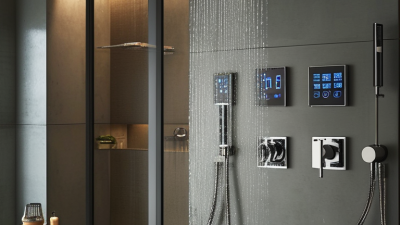
Hand shower and diverter A hand shower, hose, and clearly marked diverter add flexibility. Confirm which outlets can run together, if any. Useful for rinsing, cleaning the shower, and bathing children or pets. A simple diverter is easier to operate during use. Inspect hose connections, seals, and the diverter mechanism; these moving or flexible parts may need maintenance over time.
Temperature control Choose a compatible pressure-balancing or thermostatic valve, and verify whether the valve is included or sold separately. Pressure-balancing valves help limit temperature swings when water pressure changes. Thermostatic valves allow more direct temperature control. Valve quality and access for future servicing matter. Follow local plumbing requirements and installation instructions.
Materials and construction Review the listed materials for the valve body, shower arm, head, and hand shower rather than judging by appearance alone. Well-made connections and stable fittings help prevent leaks, wobble, and an uneven shower experience. Metal components such as brass or stainless steel are commonly used for durable plumbing parts. Plastic components can reduce weight; construction quality varies by product.
Finish and corrosion resistance Check the finish description, care instructions, and warranty terms. Consider local water conditions and cleaning products. A finish that is easy to wipe clean helps keep the set looking tidy and can reduce visible water spots. A finish’s long-term appearance depends on its coating, installation, water chemistry, and care. Avoid abrasive cleaners unless the instructions permit them.
Installation and compatibility Confirm the valve type, pipe connections, mounting arrangement, and whether the existing plumbing matches the set. Correct installation supports reliable temperature control, steady flow, and a securely positioned showerhead. Accessible service parts and clear installation documentation can simplify repairs. Professional installation may be appropriate when replacing a concealed valve.
Warranty and serviceability Read the warranty for coverage, exclusions, and required proof of purchase; check whether replacement parts are available. Good documentation and responsive parts support help keep the shower usable if a component needs attention. A warranty does not guarantee a particular lifespan. Routine cleaning, correct installation, and water quality all affect service life.

How to choose: The best rainfall shower set is one that suits your water pressure, provides the spray coverage you prefer, includes compatible temperature controls, and uses materials and finishes appropriate for your bathroom. Flow limits and plumbing requirements vary by location, so check local codes before purchasing.

How Do Installation, Water Use, and Maintenance Shape Your Choice?

What Is the Best Rainfall Shower Set in 2026?

A rainfall shower set should fit your plumbing, not just your bathroom photos. Check the ceiling height, pipe position, and available water pressure before buying. A broad overhead head can feel gentle, but may disappoint when pressure is low or several outlets run together. Have a qualified plumber confirm the pipework can support the chosen configuration. Small details matter.

Water use is another practical test. The U.S. EPA WaterSense showerhead specification sets a maximum flow of 2.0 gallons per minute, compared with the common 2.5-gpm benchmark. WaterSense also requires tested performance, so lower flow does not have to mean a weak spray. Still, a large rainfall head may feel less forceful than a compact showerhead. That trade-off is real, and personal preference can be hard to predict from a product description.

Maintenance shapes comfort over time. Hard-water deposits can clog small spray openings, while exposed overhead fittings need occasional wiping to limit mineral marks. Choose a head with easy-to-clean nozzles and accessible connections; complicated trim can make simple upkeep annoying.

Tips: Before installation, run the existing shower and note its pressure and spray feel. Keep the manual and check connections for drips after the first few uses. A little inconvenient, yes—but it can catch problems early.

How to Identify the Best Rainfall Shower Set in 2026

Choosing the best rainfall shower set in 2026 starts with your bathroom, not the product photos. Start with your water supply. Check the pressure and flow at the shower, since a broad overhead head may feel weak when pressure is low. A 10-inch head can look generous, but it needs enough water to cover your shoulders evenly. Measure the ceiling height and arm reach, too. A beautiful fixture placed too high can feel more like drizzle than rain.

Look for clear specifications: head diameter, flow rate, included controls, and installation requirements. Check whether the set suits your plumbing and whether replacement cartridges and seals are available. Solid metal parts can offer durability, but construction details matter more than a polished finish. Ask a licensed plumber to assess older pipes or unusual layouts before buying. Small fittings can cause big headaches.

Test the spray pattern if you can. Some rainfall heads deliver a gentle, wide sheet; others concentrate water near the center. That difference is easy to miss online. Consider cleaning as well: silicone nozzles are often easier to wipe free of mineral deposits. Compare warranty terms, spare-part access, and realistic maintenance needs. A larger head is not automatically better, and the perfect choice may involve compromise. A slightly smaller head with steady coverage can be more satisfying than an impressive fixture that struggles on your home’s water pressure.