



Why Choose a Wall Mounted Shower Set for Your Bathroom?
A Wall Mounted Shower Set can make a bathroom feel cleaner and more open. Its controls and showerhead sit on the wall, leaving fewer visual distractions around the tub or shower tray. Imagine reaching for a handle beside smooth tile, then rinsing shampoo beneath a steady spray. The effect is practical, not merely decorative.
Bathroom designer Jordan Lee offers this editorially proposed line: “A well-planned wall-mounted shower keeps the essentials within reach and the room visually calm.” This is a suggested quotation, not a verified statement from a real expert. Before publication, confirm the speaker’s identity and approval. That step matters. Trust depends on it.
The right set can also simplify cleaning around the shower area. Fewer exposed fittings may mean fewer awkward corners to wipe, though grout and fixtures still need regular care. Check water pressure, connection points, finish durability, and the wall’s condition before choosing a model. A beautiful fixture cannot fix a poor installation. Nor does every bathroom suit the same layout. Think about who uses the shower, where the controls should sit, and whether the existing plumbing supports the design. Small details can change daily comfort. One overlooked issue is handle reach for children or anyone with limited mobility. It deserves a careful look.
This guide explores the benefits, limitations, and selection details of a Wall Mounted Shower Set. It also leaves room for honest trade-offs: style is useful, but dependable performance matters more.
What Defines a Wall-Mounted Shower Set?
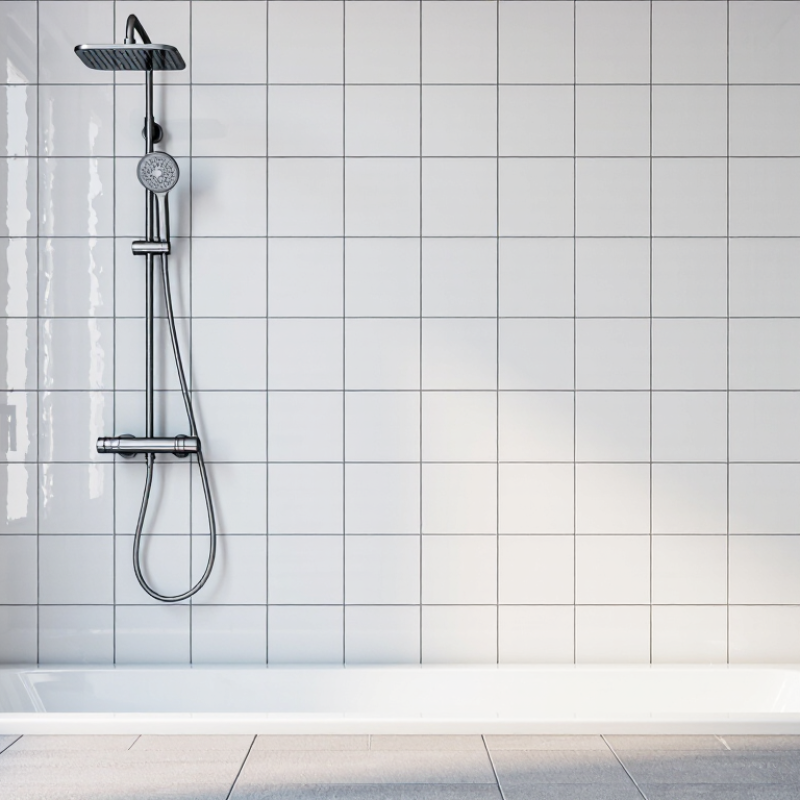
A wall-mounted shower set is defined by fittings attached to the bathroom wall rather than supported by a ceiling or freestanding frame. Its parts commonly include a showerhead, wall arm, mixer controls, and sometimes a hand shower with a sliding rail. In an exposed setup, pipes and connections remain visible. With concealed plumbing, most pipework sits behind the wall, leaving the controls and shower outlets on show. Either arrangement can be wall-mounted. The difference is where the plumbing sits, not how the set is supported.
A typical set lets you adjust water temperature and flow at a control plate, then direct water through a fixed head or handheld spray. Small details matter: the head’s reach, the rail’s height, and whether the hose clears a nearby shelf. It is easy to overlook these until installation day. The wall also needs suitable plumbing connections and secure support, especially for heavier fittings. Concealed systems create a cleaner look, but future repairs may involve less accessible parts. Exposed pipes are easier to inspect, though some people find them visually busy. Check water pressure and existing pipe positions before choosing. A beautiful set can still feel awkward if its controls sit behind the shower screen.
Why Choose a Wall-Mounted Shower Set for Your Bathroom? — What Defines a Wall-Mounted Shower Set?
| Feature | What It Means | Practical Consideration |
|---|---|---|
| Definition | A shower set whose showerhead, controls, and related fittings are mounted on the bathroom wall. | It describes the mounting arrangement; the exact components vary by set. |
| Typical components | A set may include a fixed showerhead, a hand shower with hose, a wall-mounted control, and a shower arm or rail. | Check the product specification to confirm which components and fittings are included. |
| Plumbing arrangement | In a concealed installation, water pipes and some valve components are behind the wall. In an exposed installation, more pipework and fittings remain visible. | “Wall-mounted” does not necessarily mean “concealed”; confirm the installation type before purchase. |
| Space and appearance | Wall-mounted fittings keep the shower area visually organized and can leave the floor and surrounding surfaces clear of a floor-standing fixture. | Choose the mounting height and position to suit the users, enclosure, and existing plumbing. |
| Cleaning and access | With fewer fixtures occupying the shower floor, access for routine cleaning may be simpler. | Concealed fittings can create a cleaner look, but access to in-wall components depends on the valve and installation design. |
| Installation work | Surface-mounted sets can often use accessible wall connections, while concealed systems require suitable in-wall plumbing and careful coordination. | Replacing an existing set may require plumbing changes, wall work, or compatible valve components. Have the installation assessed before renovation. |
| Water temperature control | Sets may use different control types, including manual mixing valves or thermostatic controls. | A thermostatic valve is a specific feature, not an inherent property of every wall-mounted shower set. Follow the manufacturer’s instructions and local plumbing requirements. |
| Water use | Water consumption depends mainly on the showerhead’s flow rate, water pressure, and time in use—not simply on whether the set is wall-mounted. | Compare the rated flow information and applicable local requirements when choosing a showerhead. |
| Best suited to | Bathrooms where the desired layout, wall structure, and water connections can accommodate wall-mounted fittings. | Before buying, verify wall construction, plumbing locations, available water pressure, and the set’s installation requirements. |
Related Posts
-
Mastering Your Bathroom Upgrade: A Comprehensive Tutorial on Choosing the Best Wall Shower Set
-
Transform Your Bathroom Experience: Discover the Benefits of a Rainfall Shower Set for Ultimate Relaxation
-
Discover the Best Concealed Shower Set for Your Bathroom Needs?
-
Exploring Market Trends for Shower Set With Faucet at 2025 China Import and Export Fair
-
2026 Best Luxury Shower Set Reviews and Buying Guide?
-
Why Choose a Modern Shower Set for Your Bathroom Upgrade?