Top 10 Shower Hose Options for Global Buyers in 2026?
In 2026, the global market for shower hoses continues to evolve. Selecting the right shower hose is crucial for both functionality and aesthetics. Many buyers strive for a balance between quality and budget. With a variety of options available, understanding what suits your needs can be challenging.
Shower hoses come in different lengths, materials, and designs. A hose must withstand daily use while providing flexibility. More often than not, buyers overlook important factors like durability and ease of installation. Misleading product descriptions can lead to disappointing purchases. It's essential to consider how a shower hose integrates with your existing bathroom fixtures.
While there are countless products available, many do not meet expectations. Consumer reviews highlight durability issues and customer service concerns. Navigating this marketplace requires a keen eye and informed decision-making. Investing time into research can yield a hose that enhances your shower experience. Let's explore the top ten shower hose options that cater to various buyer needs.
Overview of Shower Hose Types and Materials Available in 2026
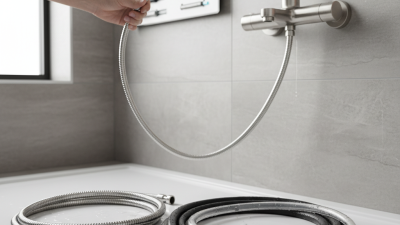
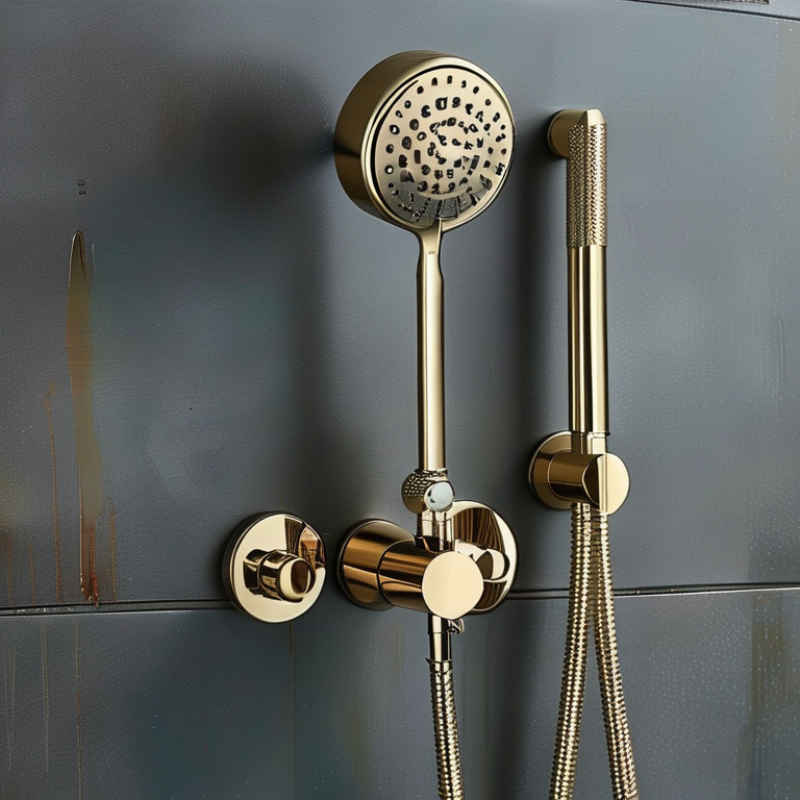
In 2026, shower hoses will come in various types and materials, catering to global buyers’ diverse needs. Common materials include stainless steel, PVC, and rubber. Stainless steel hoses offer durability and resist corrosion, making them a long-term investment. PVC hoses are lightweight and flexible but may wear out faster. Rubber hoses provide excellent flexibility but can degrade if exposed to extreme temperatures.
When choosing a shower hose, consider the hose length. Longer hoses provide more flexibility but may have pressure issues. Shorter hoses can lead to a more direct water flow, which enhances pressure. Look for shower hoses with swivel connectors to prevent kinks. These connections can help maintain water flow and integrity over time.
Tips: Always check for compatibility with your existing shower system. The wrong size can lead to leaks. Regularly inspect your hose for wear and tear. Early detection of cracks can prevent water damage. Also, consider eco-friendly options, as sustainability is becoming increasingly important for buyers today.
Top 10 Shower Hose Options for Global Buyers in 2026
| No. |
Type |
Material |
Length (inches) |
Pressure Rating (PSI) |
Features |
| 1 |
Flexible Shower Hose |
Stainless Steel |
59 |
150 |
Corrosion Resistant, Rustless |
| 2 |
Reinforced Shower Hose |
PVC |
72 |
120 |
Flexible, Lightweight |
| 3 |
Anti-Twist Shower Hose |
Braided Nylon |
55 |
160 |
Tangle-free Operation |
| 4 |
Thermal Resistant Shower Hose |
Silicone |
60 |
140 |
Suitable for Hot Water |
| 5 |
Eco-Friendly Shower Hose |
Recycled Materials |
70 |
120 |
Sustainable Production |
| 6 |
Heavy Duty Shower Hose |
Stainless Steel |
80 |
200 |
Durable, High Pressure |
| 7 |
Wide Diameter Shower Hose |
PVC |
65 |
130 |
Increased Flow Rate |
| 8 |
Straight-to-Curve Shower Hose |
Rubber |
75 |
110 |
Versatile Design |
| 9 |
Quick Disconnect Shower Hose |
Aluminum |
58 |
160 |
Easy Installation |
| 10 |
Decorative Shower Hose |
Copper |
60 |
150 |
Aesthetic Appeal |
Key Features to Consider When Choosing a Shower Hose
When selecting a shower hose, various key features can greatly affect user satisfaction. One significant aspect is the length of the hose. Most consumers prefer hoses ranging from 59 to 79 inches. This length provides enough flexibility for various setups while accommodating taller showerheads and different bathing preferences. According to industry reports, 45% of customers prioritize hose length for convenience and ease of use.
Another crucial feature to consider is material quality. Hoses made from materials like stainless steel and reinforced PVC are recommended. These materials enhance durability and resist kinking. Reports indicate that hoses with stainless steel coverings are less likely to experience leaks. In fact, a survey suggests that 70% of users reported fewer issues with high-quality materials.
Flexibility also plays an important role. A hose that easily bends without crimping improves the bathing experience. Consumers often face difficulties with rigid hoses. Statistics show that a flexible hose can increase user satisfaction by up to 30%. However, striking a balance between flexibility and durability remains a challenge. Choosing the right shower hose combines user preference with practical considerations.
Top 10 Shower Hose Brands and Their Unique Offerings
When choosing a shower hose, understanding the brands can make a significant difference. Each brand offers unique features tailored to specific needs. Some excel in flexibility, while others focus on durability. A well-chosen hose ensures a seamless shower experience.
Tips: Check for compatibility with your showerhead. An ill-fitting hose can lead to leaks and frustration. Look for hoses with anti-twist technology. They provide freedom of movement without tangling.
Popular brands prioritize materials. Stainless steel and reinforced polymers are common choices. They emphasize longevity and resistance to wear and tear. Some offer innovative connections that simplify installation. However, not all brands communicate their quality clearly.
Tips: Read customer reviews and look for user experiences. They reveal potential issues you might not see in advertisements. Consider a bit of maintenance for long-lasting performance, such as cleaning and regular checks for wear.
Comparative Analysis of Shower Hose Prices and Durability
When considering shower hose options, price and durability are key factors for buyers. A variety of materials are available, including stainless steel, PVC, and rubber. Prices range from budget-friendly to premium, depending on the material and brand reputation. For example, stainless steel hoses often last longer but tend to be pricier. While PVC hoses are cheaper and lightweight, their longevity might be questionable.
Durability is not just about the material. Installation and maintenance also play a role. Poor installation can lead to leaks, regardless of the hose quality. Regular checks on connection points can prevent water damage. Some buyers find that paying less upfront can lead to higher costs later if the hose fails. Reflecting on user reviews helps highlight real-world performance and issues. A hose that appears durable may still wear out quickly under heavy use.
In 2026, global buyers may prioritize both value and longevity. Checking for quality certifications can ensure reliability. Understanding the balance between cost and durability helps in making informed choices. Ultimately, user experience will guide many in selecting the best shower hose for their needs.
User Reviews and Ratings for Popular Shower Hose Options
When selecting a shower hose, user reviews can provide invaluable insights. Many buyers emphasize the importance of flexibility and durability. A hose that crinkles can be frustrating, interrupting a relaxing shower experience. Users often appreciate options that resist tangling, making daily use pleasant.
The material of the shower hose matters significantly. Reviews highlight stainless steel and reinforced plastic as popular choices. These materials tend to withstand wear and tear. However, some users report issues with leaks after a few months. Such feedback is crucial as it shows that longevity varies widely among products.
Customers also frequently mention installation ease. A straightforward process is highly valued. Complicated setups can deter buyers from making a purchase. Reading user experiences can help prospective buyers gauge whether a hose's installation is as easy as advertised. Thoughtful reviews guide potential buyers toward making informed decisions.
Top 10 Shower Hose Options for Global Buyers in 2026