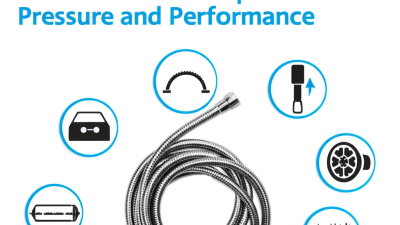
Top 10 Bathroom Shower Hose Options for Your Home Upgrade?
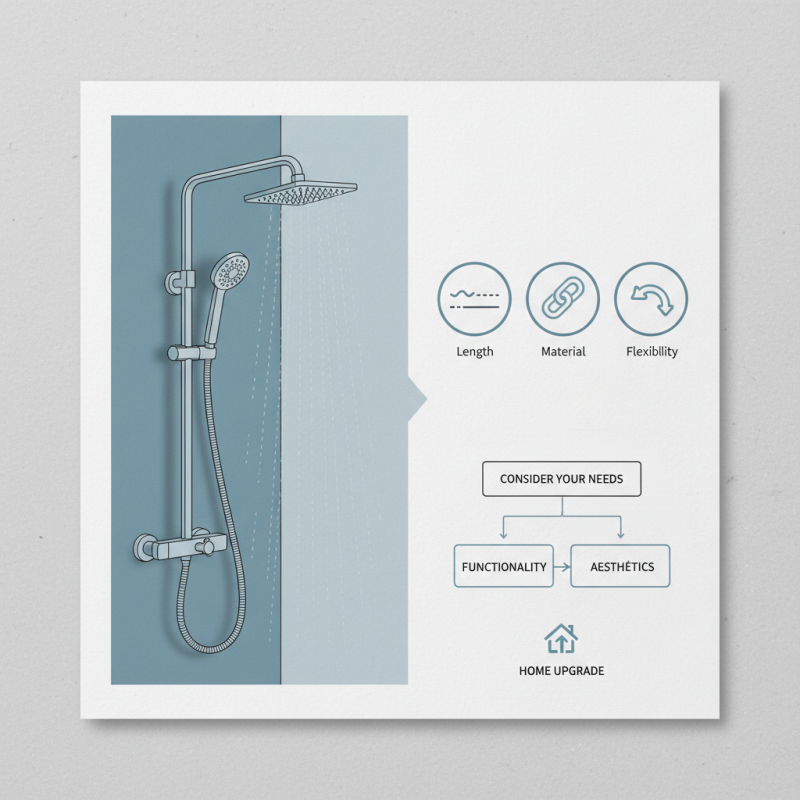
Upgrading your bathroom often involves selecting the right fixtures. One critical yet sometimes overlooked element is the Bathroom Shower Hose. A high-quality hose can enhance your shower experience, making it more enjoyable and efficient. Choosing the right hose requires careful consideration of length, material, and flexibility.
The market offers diverse Bathroom Shower Hose options. From stainless steel to plastic, each material has its pros and cons. Length matters too—short hoses may restrict movement, while overly long ones can create clutter. It’s vital to balance functionality and aesthetics. Many people rush this decision, only to regret it later.
Reflecting on your needs is essential. Consider the design of your shower space. A hose that complements your fixtures can elevate the entire look. Assessing your preferences can save time and money in the long run. Ensuring your hose meets both your practical needs and style requirements is key to a successful bathroom upgrade.
Top Features to Consider When Selecting a Shower Hose for Your Home
When selecting a shower hose for your home, several key features deserve your attention.
First, consider the length.
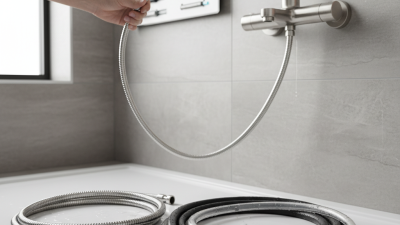
A standard hose length of 59 inches works for most bathrooms.
However, if you need more flexibility, longer options are available. They allow easier maneuvering and can enhance your shower experience.
Next, the material of the hose is crucial.
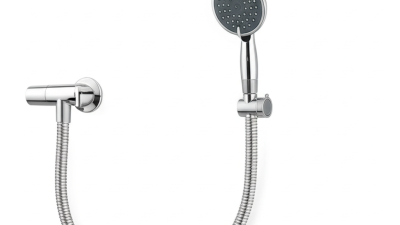
Stainless steel or braided options are durable and resistant to kinks.
These materials prevent leaks and last considerably longer.
Additionally, a lightweight hose can make it easier to handle and adjust during your shower routine.
Lastly, check the connector types.
Ensure they fit your existing fixtures.
A well-matched connection reduces the risk of water leaks.
While some hoses come with universal fittings, others might not align well with all installations.
It’s worth taking time to evaluate these details.
A poor choice could lead to frustration or even plumbing issues down the line.
Comparative Analysis of Material Types: Stainless Steel, Plastic, and Rubber
When upgrading your bathroom, the choice of shower hose is crucial. Materials like stainless steel, plastic, and rubber each offer distinct advantages and drawbacks. Stainless steel hoses are durable and resistant to corrosion. They can stand the test of time, making them a favorite for many homeowners. However, they can be heavier and sometimes pricier than alternatives.
Plastic hoses are lightweight and often more affordable. They come in various colors and styles, which allows for greater design flexibility. Yet, their longevity may not match that of metal options. Over time, they can become brittle, especially in environments with high temperatures. Rubber hoses, on the other hand, can provide a balance between durability and flexibility. They are less likely to kink and can withstand varying temperatures. Still, they may not have the same aesthetic appeal as metal hoses.
Choosing a shower hose means weighing these factors carefully. Consider how often you use the shower and what look you prefer. It's essential to think about future repairs or replacements. Each option has its pros and cons, and reflecting on your specific needs will lead to the best choice for your bathroom upgrade.
Comparison of Bathroom Shower Hose Material Types
Design Trends: How Length and Flexibility Impact Shower Experience
When upgrading your bathroom, the design of your shower hose plays a critical role. Length and flexibility affect more than aesthetics. Survey data indicates that nearly 60% of homeowners cite shower experience as a key indicator of bathroom quality. With the right hose, users can enjoy a more versatile wash, allowing ease in rinsing off hard-to-reach areas.
The trend towards longer hoses arises from their ability to provide greater flexibility. A report from the National Kitchen & Bath Association states that innovative designs often lead to improved usability. A flexible hose can accommodate different user heights. However, it’s important to balance length with practicality, as overly long hoses can become cumbersome. They may tangle or cause water pressure loss.
Homeowners often overlook the impact of hose material. Quality materials resist kinks and wear over time, ensuring a better shower experience. Inconsistent water flow due to poor hose design can be frustrating. Trustworthy installation is equally vital. Inadequate fitting may lead to leaks and water wastage, which are often disregarded detailed aspects. Thus, investing time in researching proper options can yield long-term benefits.
User Ratings and Reviews: Understanding the Most Trusted Shower Hose Brands
When selecting a shower hose, user ratings and reviews play a crucial role in determining which options are trusted. Customers often prioritize flexibility, durability, and ease of installation in their feedback. Popular reviews frequently mention how certain hoses withstand daily use and resist kinking. It's essential to consider these insights to find a product that meets your needs.
Tips: Always check if the hose is compatible with your existing showerhead. Some users report issues with leaks due to improper fittings. Pay attention to materials as well; stainless steel and reinforced PVC are commonly preferred for their longevity.
Observe user ratings carefully. High ratings may indicate reliability, but they don't always tell the whole story. Some products receive great feedback initially but may falter over time. Read through recent reviews to gauge ongoing performance. Customer experiences can help identify any recurring issues that may not be evident at first glance.