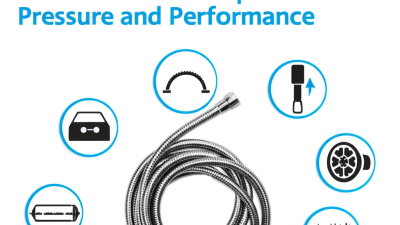
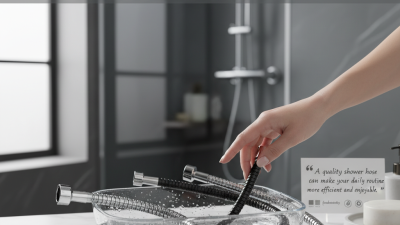
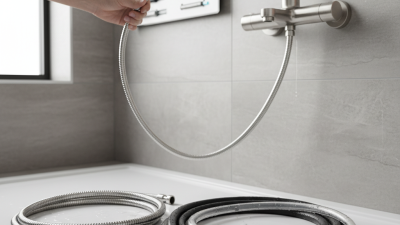
What is a Shower Hose and How to Choose the Right One?
The shower hose plays a crucial role in our daily hygiene routine. It connects the showerhead to the water supply, making it essential for an effective shower experience. According to industry expert Mark Jones, "A good shower hose can transform your bathing experience." This highlights its importance in achieving comfort and convenience while showering.
When choosing a shower hose, several factors come into play. The length, material, and flexibility of the hose matter significantly. A hose that is too short can cause inconvenience, while one that is too long may lead to tangling. Many consumers overlook these details, resulting in frustration during use.
Ensuring the right choice involves understanding your specific needs. You might prefer a lightweight, flexible hose for ease of use, while another might seek durability and resistance. It's not just about aesthetics; it's about functionality, too. Reflecting on your choices will lead to a more enjoyable shower experience.
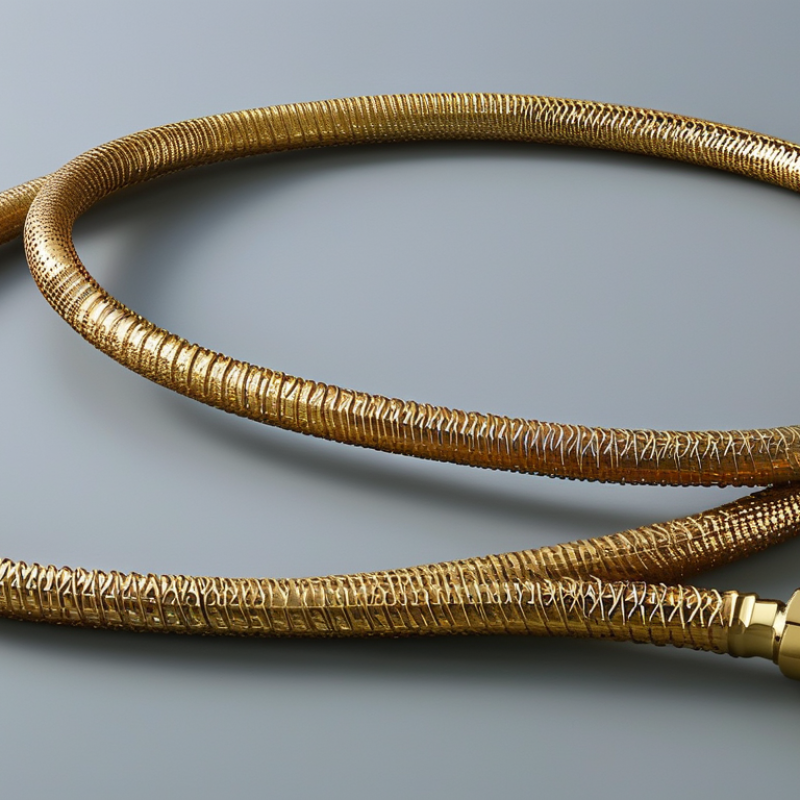
What is a Shower Hose and Its Function in a Bathroom Setup?
A shower hose is a crucial component in any bathroom setup. Its primary function is to connect the showerhead to the water supply, allowing for adjustable water flow. Typically made from durable materials like stainless steel or reinforced plastic, a good shower hose ensures flexibility and ease of use.
The length of the hose can significantly affect the shower experience, with shorter hoses limiting movement and longer ones offering more freedom.
Industry data reveals that over 50% of homeowners report dissatisfaction with their shower experience due to inadequate hose length or weak water pressure. Additionally, experts recommend hoses that are at least 60 inches long for maximum comfort. A poor-quality hose can lead to leaks and water wastage, with some estimates indicating that a leaking hose can waste up to 10 gallons of water daily.
Choosing the right shower hose involves considering material, length, and connection type. Look for hoses with anti-kink features that prevent twisting. While it’s tempting to go for the cheapest option, investing in a quality shower hose reduces maintenance costs long-term. Proper research and informed decisions are essential for maximizing comfort and efficiency in your bathroom.
Types of Shower Hoses: Materials and Designs Explained
When selecting a shower hose, it’s essential to consider the materials and designs available. Shower hoses come in various options, each offering different benefits. Stainless steel hoses are popular due to their durability and resistance to corrosion. They add a sleek look and withstand high pressure. On the other hand, plastic hoses are lightweight and often easier to handle, but they may not last as long in a demanding environment.
Design is equally crucial. Flexible hoses allow for greater movement when showering. Look for hoses that can rotate at both ends. This prevents kinks and twists, ensuring a hassle-free experience. Some hoses feature anti-twist technology, which is an added advantage. Clear plastic hoses allow you to check for blockages easily, providing peace of mind.
**Tips**: Always check the compatibility of the hose with your showerhead. Measure your existing hose to avoid mismatches. Consider the length; longer hoses offer more reach, but they can also be cumbersome. Avoid cheap options, as they might leak or burst, leading to frustration. Remember, a good quality hose can enhance your shower experience significantly.
What is a Shower Hose and How to Choose the Right One?
| Material |
Durability |
Flexibility |
Design |
Price Range |
| Stainless Steel |
High |
Moderate |
Modern |
$20 - $50 |
| Plastic |
Moderate |
High |
Varied |
$10 - $25 |
| Rubber |
Low |
Very High |
Basic |
$5 - $15 |
| Brass |
Very High |
Moderate |
Classic |
$30 - $70 |
| Silicone |
Moderate |
Very High |
Innovative |
$15 - $35 |
Factors to Consider When Choosing a Shower Hose
Choosing the right shower hose involves several important factors. First, consider the material of the hose. Common materials include stainless steel and PVC. Stainless steel offers durability and resistance to tangling. However, PVC is lightweight and often more affordable. Each material has its pros and cons, and understanding them helps make a wise choice.
Another factor is the length of the hose. Standard lengths range from 59 to 79 inches. A longer hose provides flexibility and ease of use, especially in larger shower spaces. However, a longer hose can make installation tricky. Ensure the length meets your specific needs to avoid frustration.
Also, pay attention to the connection type. Hoses usually come with universal fittings, but some may not fit older fixtures. Verify compatibility to prevent leaks or damage.
A reliable shower hose enhances your bathing experience. Yet, quality can vary among products. Do your research and read reviews to find a trustworthy option. Balancing quality and features can sometimes be challenging, but it is essential for a good experience.
How to Install a Shower Hose: A Step-by-Step Guide
Installing a shower hose can seem daunting. However, with a step-by-step approach, it’s manageable. Research indicates that nearly 30% of homeowners experience issues with water flow due to improper installation of shower components. Begin by turning off the water supply to prevent accidents. Gather necessary tools: an adjustable wrench, Teflon tape, and possibly a screwdriver.
Next, disconnect the old hose. Use the adjustable wrench to unscrew it from the showerhead and the water outlet. Be cautious, as residual water may drip. Newer models often come with improved features, aiding installation. According to industry standards, it’s important to apply Teflon tape on the threads of the new hose. This helps prevent leaks and ensures a secure fit.
When attaching the new hose, avoid overtightening. Data shows that nearly 15% of leaks stem from excessive force during installation. Connect the hose to both ends, and check for snugness. Finally, turn on the water supply and inspect for leaks. It’s advisable to run the water for a few minutes to ensure everything functions properly. This attention to detail can save time and repairs in the long run.
Shower Hose Material Comparison
This chart compares the durability ratings of various shower hose materials. Selecting the right material can enhance the longevity and performance of your shower hose, impacting your overall shower experience.
Maintenance Tips for Prolonging the Life of Your Shower Hose
A shower hose is an essential component that can greatly impact your shower experience. To extend its lifespan, regular maintenance is crucial. One simple way to maintain your shower hose is by checking for leaks. Inspect the fittings and the hose surface for any signs of wear. A small leak can lead to bigger problems if left unattended.
Cleaning your shower hose regularly is equally important. Use a mixture of vinegar and water to remove mineral buildup. This buildup can make your hose less flexible over time. Scrubbing it gently will help maintain its integrity. Avoid using harsh chemicals that could degrade the material and compromise the hose’s performance.
Keep an eye on how you store your hose. Avoid kinks and twists when coiling it after use. A tangled hose can create stress points that may lead to premature wear. While these practices may seem simple, they often get overlooked and can make a significant difference in the longevity of your shower hose. Take time to reflect on your maintenance routine and make adjustments as needed. Small efforts now can prevent larger headaches later.