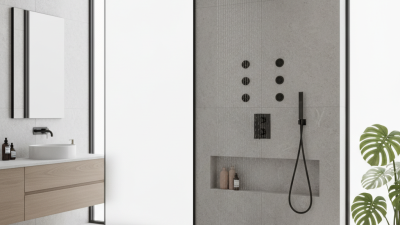
A modern bathroom can feel calmer when its shower controls sit neatly behind the wall. A Concealed Shower Set keeps the visible area uncluttered, leaving the handset, controls, and trim to shape the room’s look. The design is appealing, but appearance is only part of the decision. Small details matter.
This guide explores ten options for different bathroom styles, budgets, and daily routines. It considers practical features such as thermostatic temperature control, diverter operation, spray settings, finish durability, and ease of cleaning. It also looks at installation requirements. Wall depth, water pressure, and compatibility with existing pipework can affect whether a set is suitable. Check the manufacturer’s specifications, and ask a qualified installer to assess the plumbing before buying.
A polished brass finish may complement warm tile, while brushed steel can soften a cooler, minimalist scheme. Yet photographs do not show how controls feel with wet hands or how simple a cartridge is to service. Fit comes first. A concealed system can require more planning than an exposed one, and access for future maintenance deserves attention before the wall is closed. That point is easy to overlook.
The selections ahead aim to make comparison clearer, not to declare one universal winner. The right choice depends on the room, the household, and the details you are willing to maintain. Some trade-offs remain. A careful shortlist can still save time and help turn a good-looking shower into a dependable part of everyday use.
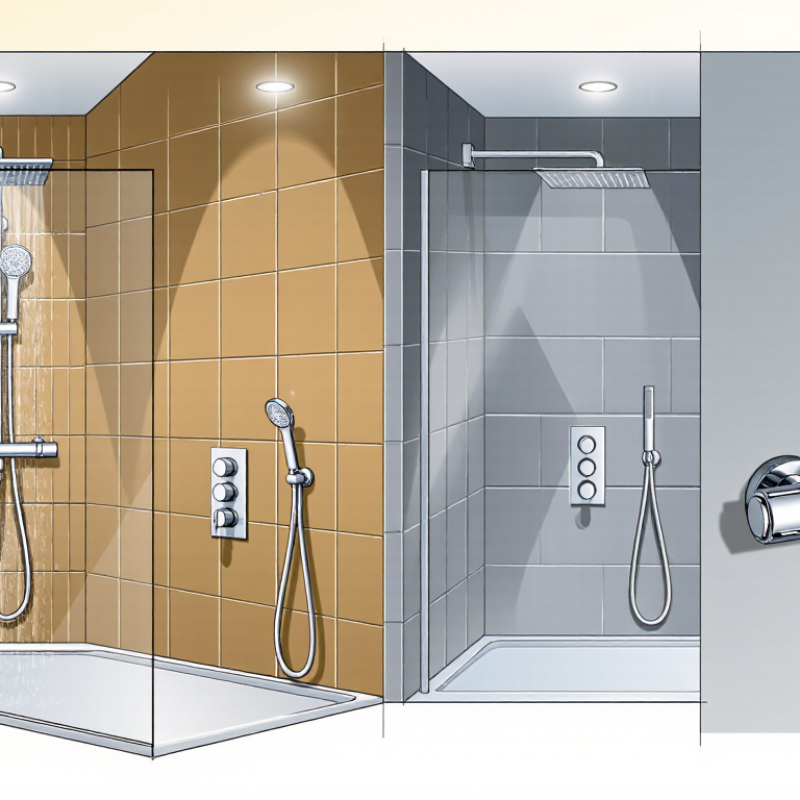
A concealed shower set hides its main mixing valve and pipe connections behind the bathroom wall. The visible parts are usually a control handle, trim plate, shower arm, and one or more shower outlets. The exact layout varies. Some sets use one control for temperature and flow, while others separate those adjustments.
Behind the tile, the valve blends hot and cold water and may divert water between an overhead shower and a handheld spray. A well-chosen set should suit the home’s water pressure and the number of outlets it serves. During installation, the valve must sit at the correct depth; even a small error can leave the handle awkwardly close to the wall. Waterproofing around fittings matters, too. Neat surfaces are appealing, but concealed plumbing is harder to inspect or repair than exposed pipework. An access point can help, though it may interrupt a clean tile layout. That trade-off is easy to overlook when choosing by appearance alone.
A concealed shower set places its valve body inside the wall, leaving the controls and outlets visible. Common components include a handle, trim plate, shower arm, overhead head, and sometimes a handheld shower with a flexible hose. A diverter directs water between outlets. Pressure-balancing valves help limit sudden temperature changes, while thermostatic valves allow more precise temperature control. The right choice depends on household needs and existing plumbing.
Configurations range from a single overhead shower to a combination of overhead and handheld outlets. A handheld shower makes rinsing and cleaning easier; a second outlet can feel luxurious but needs compatible valve capacity. Check the wall depth and service access before installation. Tile can hide a small planning mistake for years. An accessible panel may look less seamless, yet it can simplify future repairs. I would confirm outlet positions with the installer before the wall is closed.
Tips: Mark the handle and showerhead heights on the wall with tape. Test the reach from a seated position if needed. Keep instructions and valve details for later maintenance. A small check now can prevent awkward adjustments.
Each bar counts the water outlets shown in a representative configuration. These are component counts, not market-share or popularity figures. Concealed systems commonly pair a showerhead with a hand shower, body sprays, or a tub spout.
Comparing concealed shower sets starts with the wall, not the control plate.
Measure the available cavity, finished tile depth, and distance between the valve and shower outlets. A valve that projects too far can leave trim sitting awkwardly against the wall. Check whether the set supports your home’s water pressure and whether it includes the outlets you need, such as an overhead shower and a hand shower. Small details matter. A thermostatic valve can help keep water temperature steady, while a clear diverter makes switching outlets less fiddly.
Look closely at service access and replacement parts before choosing a set. Some concealed valves can be reached through the front trim; others may require more invasive access if a component fails. Ask an installer to confirm pipe connections, installation depth, and compatibility with your existing plumbing before the wall is closed. Finishes also deserve a practical test. I find showroom lighting can make a surface look warmer or glossier than it does at home, so compare a sample beside your tile if possible. A polished plate may show water spots quickly, while a brushed surface can disguise them—but not always. Keep a record of the valve model and installation measurements for future maintenance.
Top 10 Concealed Shower Sets for Modern Bathrooms
Ten concealed shower sets differ in more than their visible trim. This comparison focuses on controls, spray options, finish, and service access. Some sets pair a compact round plate with one overhead outlet; others add a hand shower or multiple spray modes. The extra outlet can be useful, but it also means more parts to clean and maintain. EPA WaterSense says its labeled showerheads use no more than 2.0 gallons per minute, at least 20% less water than the federal standard of 2.5 gallons per minute. That figure applies to labeled showerheads, not every complete concealed set. A careful comparison checks the specific showerhead rating.
Look closely at the control layout. A clear temperature scale and an easy-to-turn handle matter when hands are wet. Thermostatic controls help maintain a chosen temperature, while pressure-balancing valves respond to changes in water pressure; they are not identical features. Finishes also vary in how readily they show water spots. A brushed surface may disguise marks better than a glossy one, though cleaning habits still matter. One overlooked detail: concealed fittings can make later repairs less simple.
Tips: Before choosing, confirm the valve depth suits your wall, and ask how it can be accessed for servicing. Check flow rates for each outlet, not just the main showerhead. Compare the warranty and cleaning instructions, too. A beautiful plate is not the whole system.
| Configuration | Control Type | Typical Outlets | Diverter Setup | Design Profile | Suitable For | Planning Consideration |
|---|---|---|---|---|---|---|
| 1. Minimal Single-Outlet Set | Single-lever mixer | One shower outlet, usually a wall-mounted showerhead or hand shower | No diverter required | Simple trim with a compact concealed valve | Small bathrooms and straightforward shower layouts | Confirm the valve body is compatible with the selected trim and water supply. |
| 2. Thermostatic Fixed-Head Set | Thermostatic temperature control with a separate flow control | One fixed showerhead | None | Clean appearance with dedicated temperature adjustment | Users who prefer a steady temperature during normal changes in water demand | Thermostatic performance depends on correct installation and suitable hot- and cold-water supplies. |
| 3. Fixed Head and Hand Shower Set | Single-lever or thermostatic mixer | Fixed showerhead and hand shower | Two-outlet diverter | Versatile arrangement with two visible shower functions | Family bathrooms and showers used for both bathing and rinsing | Check whether the diverter selects one outlet at a time or supports simultaneous operation. |
| 4. Rain Shower and Hand Shower Set | Thermostatic mixer is a common option | Overhead rain-style showerhead and hand shower | Two-outlet diverter | Broad overhead spray paired with a movable shower | Walk-in showers with adequate ceiling or wall support | Large overhead heads may require sufficient water flow and a suitably sized supply system. |
| 5. Three-Function Shower Set | Thermostatic or single-lever mixer | Three outlets, such as an overhead head, hand shower, and body sprays | Three-way diverter or a compatible multi-control arrangement | Feature-rich layout with several shower options | Large showers designed for multiple spray functions | Verify outlet compatibility, available flow, and whether multiple outlets can run together. |
| 6. Ceiling-Mounted Rain Set | Single-lever or thermostatic control | Ceiling-mounted overhead shower, optionally paired with a hand shower | Optional two-outlet diverter | Low-visual-clutter design with an overhead spray | New builds or renovations where ceiling pipework can be planned | Ceiling access and waterproofing details should be addressed before walls and ceilings are closed. |
| 7. Wall-Mounted Rain Set | Single-lever or thermostatic control | Wall-mounted overhead shower, optionally paired with a hand shower | Optional two-outlet diverter | Rain-style function without requiring a ceiling outlet | Renovations where routing a ceiling supply is impractical | Confirm the wall outlet position and shower arm projection suit the shower enclosure. |
| 8. Compact Round-Trim Set | Single-lever or thermostatic control | One or two outlets, depending on the valve and diverter configuration | Optional diverter | Rounded trim suited to soft, contemporary bathroom details | Bathrooms using curved fixtures or a restrained visual style | Trim shape does not determine valve compatibility; check the concealed body separately. |
| 9. Square-Trim Concealed Set | Single-lever or thermostatic control | One or more outlets, depending on the selected system | Optional diverter or separate outlet controls | Geometric trim with a crisp, contemporary appearance | Bathrooms with angular fittings and modern architectural lines | Allow enough clearance around square handles and plates for comfortable operation. |
| 10. Multi-Control Shower System | Separate temperature and outlet controls, often thermostatic | Two or more outlets, such as an overhead head, hand shower, and body sprays | Dedicated diverter or individual outlet controls | Independent controls for a tailored shower arrangement | Custom showers where different users want distinct spray options | More controls and outlets require careful valve planning, access, and flow assessment. |
This comparison describes common concealed shower-set configurations, not specific retail products. Available functions, compatible trim, water-pressure requirements, and installation details vary by system; check the manufacturer’s technical documentation and local plumbing requirements before purchase.
Concealed shower sets keep the wall uncluttered, but their valve bodies must fit behind the finished surface. Before choosing a set, check the hot and cold pipe locations, water pressure, and water-heater capacity. Confirm that the showerhead and hand shower can operate together if that feature matters. Measure twice. A mismatch between the valve depth and tile thickness can leave the handle sitting too far in or out.
During installation, follow the manufacturer’s depth guide and keep the valve level. Flush supply lines before connecting the trim; grit can damage cartridge seals. Test every joint while the wall is still open, then photograph the pipework and valve position. This small record can help later. It is easy to focus on the visible fittings and overlook access to serviceable parts. An access panel may not suit every layout, so plan repairs before closing the wall.
Maintenance is usually simple, but not optional. Wipe plated surfaces with a soft cloth and mild cleaner, avoiding abrasive pads that can scratch the finish. Remove mineral buildup from showerhead nozzles as needed. Small leaks matter. If temperature fluctuates or the handle becomes stiff, check the cartridge and household pressure rather than forcing the control. Local water conditions vary, so cleaning intervals may need adjustment. I would recheck seals after the first few weeks; installation can settle, and assumptions are not a substitute for inspection.