How to Choose the Best Shower Travel Set?
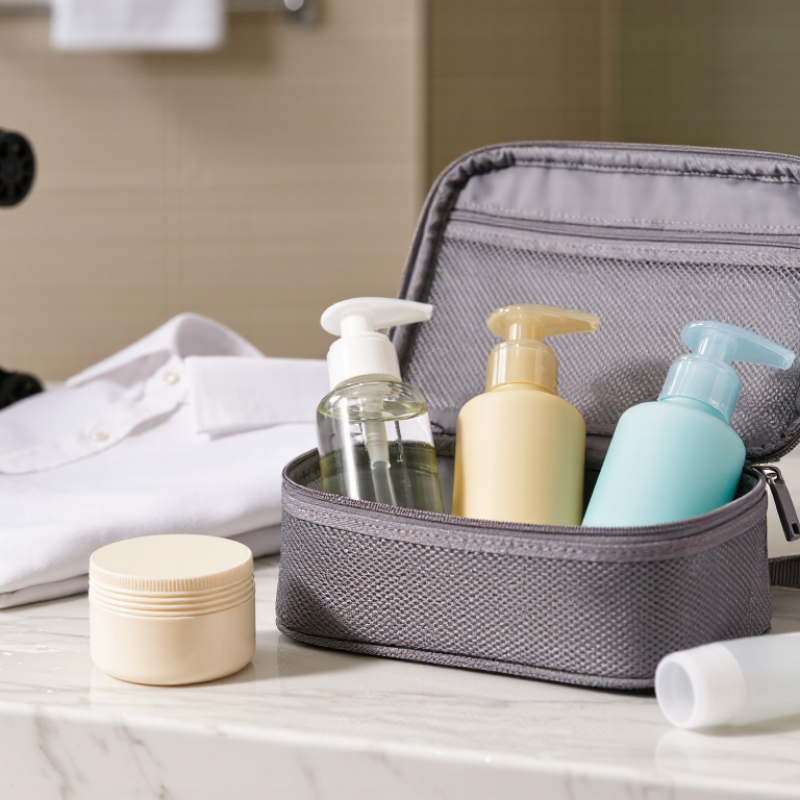
A well-chosen Shower Travel Set should make a real trip easier: bottles that fit your wash bag, caps that stay shut, and enough room for shampoo, conditioner, and body wash. This is a practical choice, not just a miniature-product purchase. A set that leaks onto a folded shirt has failed its main job. Small details matter.
Travel demand gives this decision wider context. The International Air Transport Association forecast 4.96 billion air passengers worldwide in 2024, in its June 2024 industry outlook. IATA Director General Willie Walsh said, “The desire to travel is strong.” That quote describes travelers’ appetite, not shower kits specifically. Still, it helps explain why compact, dependable travel essentials matter to so many people. For carry-on trips, the U.S. Transportation Security Administration’s liquids guidance also makes container size worth checking before you pack.
The best set depends on your routine, destination, and tolerance for fuss. Look at bottle capacity, leak resistance, refillability, material, and whether the openings are wide enough to clean. A clear label helps when bottles look identical in a dim hotel bathroom. Sounds minor. It isn’t. This guide compares those practical features and points out trade-offs, including the imperfect ones: a lightweight bottle may feel less sturdy, while a durable set may take up more space. No kit suits every traveler. The useful one is the set you can pack, use, and clean without turning a quick shower into another task.
Plan Set Capacity Around Trip Length and Daily Shower Frequency
How to Choose the Best Shower Travel Set?
Plan Set Capacity Around Trip Length and Daily Shower Frequency
Start with the number of showers you expect, not just the number of travel days. A three-night stay may mean three showers for one traveler, but six for someone who showers morning and evening. Add extra washes after swimming, workouts, or long, hot days. Small details change the count.
Then estimate how much product each shower uses. A short rinse with a pea-sized dab of shampoo needs less than thick, shoulder-length hair. If possible, measure your usual amount at home for a few days. Multiply that rough average by your expected washes, then choose containers with a little room to spare. Not too much. Oversized bottles add weight and can crowd a small toiletry bag.
A two-day trip might need only a few compact containers, while a week away calls for more careful planning. Shampoo and body wash may run low at different rates, so avoid filling every bottle equally. Check the usable capacity, not just the outside dimensions, and test the caps before packing. Even careful math misses things: a delayed return or an unexpected gym visit can use up your margin. Refill only what you are likely to need.
How to Choose the Best Shower Travel Set?
Plan set capacity around trip length and daily shower frequency. This planning estimate assumes 10 mL of product per shower. Actual use varies with hair length, product type, and how much you dispense.
Multiply your trip length by your showers per day to estimate how much product to pack. For example, a 7-day trip with two showers daily requires about 140 mL at this estimated usage rate.
Apply TSA’s 3-1-1 Rule: Liquids Must Be in Containers of 100 mL or Less
When choosing a shower travel set, check every liquid container before packing. TSA’s 3-1-1 rule limits carry-on liquids, gels, creams, and aerosols to containers of 100 mL (3.4 ounces) or less. They must fit together in one quart-size clear bag, with one bag allowed per passenger. A half-empty bottle still counts by its container size, so a large shampoo bottle may not pass. Small details matter. Look for clearly marked capacity and secure, leak-resistant lids. A loose cap can soak your clothes before you reach your hotel.
Tips: Measure your usual shampoo and body wash at home, then choose bottles that hold enough for your trip without exceeding 100 mL. Place each bottle upright in a small pouch before putting it in the clear bag. Keep the bag easy to reach for screening. Test it at home.
Choose a set with only the containers you will actually use. Too many bottles can make the liquids bag difficult to close, while tiny bottles may run out sooner than expected. I sometimes pack one extra item and regret the wasted space. Solid soap or shampoo bars can reduce the number of liquids you carry, though their convenience depends on how you like to wash. Check your departure airport’s current guidance, especially when traveling internationally, as screening procedures can differ.
How to Choose the Best Shower Travel Set? - Apply TSA’s 3-1-1 Rule: Liquids Must Be in Containers of 100 mL or Less
| Packing Plan |
Example Shower Items |
Container Sizes |
Total Liquid Volume |
Best For |
TSA Check |
| Compact |
Shampoo, conditioner, and body wash |
3 containers × 30 mL |
90 mL |
Short trips or travelers who pack light |
Each container is below the 100 mL limit. Place liquids together in one quart-size bag. |
| Balanced |
Shampoo, conditioner, body wash, and face cleanser |
4 containers × 60 mL |
240 mL |
Several days away with a basic shower and face-care routine |
Each container is below the 100 mL limit. Check that all items fit inside the required bag. |
| Extended Routine |
Shampoo, conditioner, body wash, face cleanser, and lotion |
5 containers × 90 mL |
450 mL |
Longer trips or travelers who need more of each product |
Each container is below the 100 mL limit, but the full set may not fit in one quart-size bag. |
| Near-Limit Containers |
Shampoo, conditioner, body wash, and lotion |
4 containers × 100 mL |
400 mL |
Travelers who want fewer refills and have a routine that uses more product |
Each container is at the maximum permitted size. The containers must still fit in one quart-size bag. |
| Liquid-Light Mix |
Solid shampoo bar, solid soap bar, and liquid conditioner |
2 solid bars + 1 container × 60 mL |
60 mL of liquid |
Travelers looking to reserve bag space for essential liquids |
Solid products generally are not subject to the liquids limit; gels, pastes, and similar products may be treated as liquids. |
3-1-1 reminder: Each liquid, gel, cream, paste, or aerosol container must hold no more than 100 mL (3.4 oz). All such containers must fit in one quart-size bag, and each passenger is generally limited to one such bag. The container’s stated capacity matters, even if it is partly empty. Allow room for the bag to close, and check current airport security guidance before traveling.
Compare Bottle Volumes With the Toiletry Labels’ Recommended Use
How to Choose the Best Shower Travel Set?
Choose bottle volumes by checking each toiletry label’s recommended amount per use. A shampoo calling for a small, coin-sized portion may last longer than a thick conditioner used generously. Divide the bottle’s volume by the amount you use per wash to estimate how many showers it holds. For example, a 60 ml bottle used at 5 ml per wash provides about 12 uses.
Check each product separately. Shampoo, conditioner, and body wash rarely run out at the same pace. If you wash your hair every other day but shower daily, matching all three bottles in size may leave you carrying unused product. Look for directions that suggest a dose, such as one pump or a measured amount, and use that as your starting point. Small details matter.
Treat the estimate as a guide, not a promise. Hair length, water hardness, and personal habits can change how much you need. That estimate is imperfect. Try your usual portion at home and note how quickly each product runs low. Choose containers with enough room for the trip, but avoid filling every bottle to the brim; a little empty space can help prevent leaks when lids shift in a packed toiletry bag. Label refillable bottles clearly, especially when products look alike.
Check Cosmetic Manufacturing Practices Against ISO 22716 Guidelines
Choosing a shower travel set involves more than bottle size. Manufacturing controls matter too. ISO 22716:2007 provides cosmetic good manufacturing practice guidance for production, quality control, storage, and shipment. It offers a useful checklist, not a guarantee that a formula will suit every traveler.
Cosmetics Europe’s 2024 market report valued European cosmetics and personal-care retail sales at €96 billion in 2023. That figure shows the industry’s scale, not product quality. For a travel set, ask whether each bottle can be traced to a production batch. Check for documented equipment cleaning and filling controls. Look for legible batch codes, intact seals, and caps that stay shut in a packed toiletry bag. Small clues matter.
ISO 22716 also addresses staff training, storage conditions, and complaint handling. Ask the supplier for a current GMP statement or an audit summary. Find out how similar-looking mini bottles are kept from being mixed up. A polished label is not evidence. Records can also miss a messy handoff between a factory and a packer, so ask who performs the final checks. Clear answers and traceable product information make a set easier to assess.