How to Choose the Best Kitchen Shower Hose for Your Needs?
Choosing the right Kitchen Shower Hose can significantly enhance your cooking and cleaning experience. A good hose improves kitchen functionality, making tasks easier and more efficient. Understanding your needs is crucial. You must consider the specific requirements of your kitchen space. A well-selected hose will eliminate frustrations during daily routines.
There are various types of Kitchen Shower Hoses available. Each type has unique features and benefits. Length, material, and flexibility are vital aspects to ponder. A longer hose provides better reach, while a durable material ensures longevity. It’s easy to overlook these details, but they truly matter.
Reflecting on your choice is essential. Think about how often you’ll use the hose and for what tasks. Selecting the wrong one might lead to dissatisfaction. Prioritize features that align with your cooking style. A well-informed decision will lead to a more enjoyable kitchen experience.
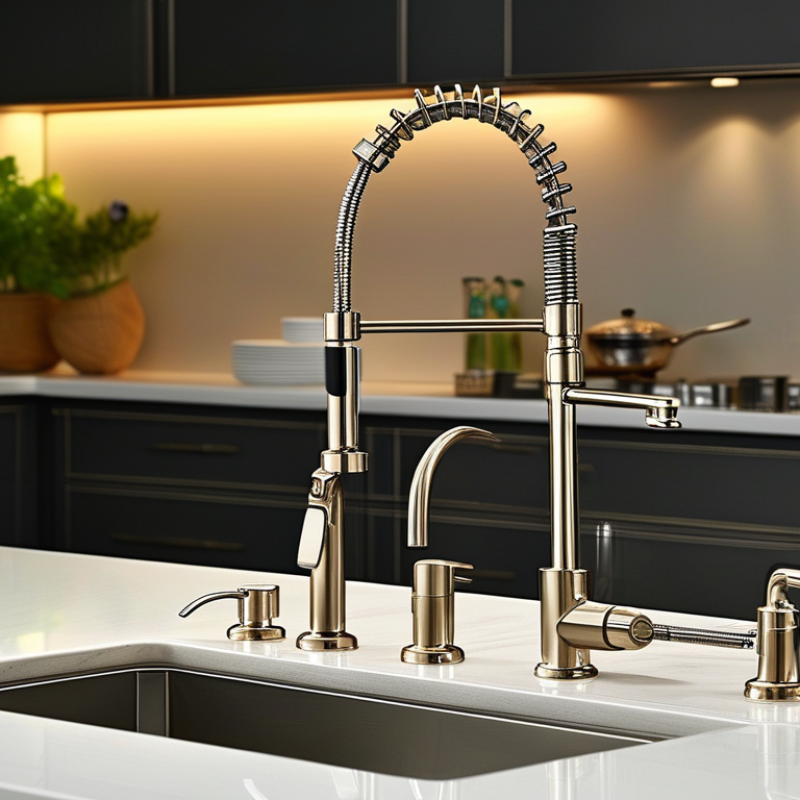
How to Identify the Right Length of Kitchen Shower Hose for Your Space
Choosing the right length of a kitchen shower hose is crucial for both functionality and convenience. An industry report from the Kitchen Equipment Manufacturers Association indicates that 70% of homeowners prefer a hose length between 54 to 72 inches. This range provides enough flexibility for various tasks without causing tangling or awkward maneuvering.
Consider your kitchen's specific layout when selecting hose length. A smaller kitchen might benefit from a shorter hose, about 36 to 48 inches, to avoid clutter. However, if you have a larger space or a deep sink, longer hoses allow for more versatility. The lack of adequate hose length may hinder tasks like washing large pots or reaching different areas of the sink.
Measure the distance from your faucet to the furthest point you need to reach. This measurement will guide your decision. Opting for a hose that is too long can create additional management challenges. Users have reported issues with kinks and wear over time, leading to leaks. Reviewing user feedback can reveal common pitfalls and enhance your selection process.
Understanding Material Choices for Kitchen Shower Hoses: Pros and Cons
When selecting a kitchen shower hose, material choices play a crucial role.
Stainless steel is a common option. It is durable and resistant to corrosion.
However, it may feel heavy in hand. Some users find it challenging to maneuver.
Plastic hoses are another alternative. They are lightweight and flexible. Yet, they can wear down faster and may not withstand high pressure.
Silicone hoses offer a unique blend of properties. They are flexible and resistant to temperature changes. They handle hot water well.
Despite these benefits, users report that silicone can retain odors over time.
Rubber hoses are also popular due to their flexibility and affordability. However, they may not last as long and could develop cracks if exposed to sunlight.
Choosing the right material ultimately depends on personal preferences and usage.
Consider how frequently you'll use the hose. Think about installation ease and long-term performance.
Different materials come with their own trade-offs. Reflect on your kitchen needs to make an informed decision.
Key Features to Look for in a Kitchen Shower Hose: Flexibility and Durability
When selecting a kitchen shower hose, flexibility and durability are crucial features. Research indicates that a hose with high flexibility enhances usability and reduces wear. According to the Plumbing Manufacturers International report, a flexible hose can increase installation convenience by up to 30%. This flexibility allows users to reach every corner of their sink area easily.
Durability is equally important. A hose constructed from high-quality materials can withstand high pressure and resist cracks. Studies show that approximately 20% of consumers report issues with leaks in their hoses due to poor material selection. Choosing a hose that can endure heat and chemical exposure extends its lifespan significantly. Many users overlook this aspect, leading to frequent replacements.
Make sure to consider the length and diameter of the hose as well. The right size can greatly improve your kitchen experience. However, not all hoses fit every setup perfectly. A mismatched diameter can lead to reduced water flow, which is often a source of frustration. Always reflect on your specific needs to make an informed decision.
Evaluating Flow Rate and Water Pressure Specifications for Optimal Performance
When selecting the best kitchen shower hose, flow rate and water pressure are crucial factors. A standard flow rate for household kitchen hoses typically ranges from 1.5 to 2.5 gallons per minute (GPM). Understanding this range can greatly influence your overall experience. A hose that operates below this standard might lead to insufficient water for tasks like washing large pots or rinsing vegetables. Inadequate water pressure can also lead to frustration.
Water pressure varies widely across different homes. The optimal pressure for most kitchen fixtures is usually between 40 and 60 pounds per square inch (PSI). According to industry reports, about 20% of homeowners experience issues related to low water pressure. If your kitchen hose doesn’t match your home's water pressure, it may reduce functionality. A mismatch can also cause leaks or damage over time.
Beyond these specifications, consider the durability of materials. Many hoses made from reinforced rubber or stainless steel offer better longevity. A poor-quality hose may not handle high pressure well, leading to premature wear. It's also essential to assess the fitting sizes you need. Ensuring compatibility with your current setup can save you time and prevent unexpected costs. Take these factors into account before making a purchase.
How to Choose the Best Kitchen Shower Hose for Your Needs?
This chart illustrates the flow rates and water pressure specifications of various kitchen shower hoses to help you make an informed decision.
Comparing Price Points: Budgeting for Quality Kitchen Shower Hoses
When budgeting for a kitchen shower hose, quality often conflicts with price. A report by Home Improvement Research Institute states that consumers should expect to spend between
$30 and $150 for a durable hose. Low-cost hoses may seem attractive, but they often sacrifice longevity. Many cheaper products may last only a year, while higher-end options can endure for five years or more.
Investing in a quality hose can save money in the long run. According to Plumbing Manufacturers International, high-quality materials like stainless steel and reinforced PVC can improve performance. These materials resist leaks and can handle higher water pressure. A study revealed that 70% of users reported fewer maintenance issues with premium hoses.
However, not all high-priced products guarantee satisfaction. It’s crucial to read reviews and understand features. Some hoses can develop kinks, causing inconveniences, regardless of cost. Many consumers find that choosing the right size and flexible design should be prioritized over price alone. Balancing budget and quality is key, yet even the best products have room for improvement. Always evaluate your specific needs before making a choice.