Best Shower Hose for Optimal Performance and Durability?
When considering the optimal performance and durability of a shower hose, various factors come into play. Studies show that a well-constructed shower hose significantly impacts water efficiency and user satisfaction. According to industry reports, high-quality shower hoses can last up to 10 years with proper maintenance. However, many consumers often overlook this aspect during their purchasing process.
A durable shower hose not only improves functionality but also enhances the overall bathing experience. Poorly designed hoses can lead to leaks, reduced water pressure, and a frustrating user experience. Moreover, around 30% of buyers do not realize the importance of selecting a hose that suits their specific showerhead. This oversight can greatly affect daily usage.
Investing in a reliable shower hose is essential for long-term benefits. Reliable hoses are resistant to kinks, corrosion, and wear. Yet, many still grapple with distinguishing between premium products and subpar alternatives. As the market grows, educating oneself about the key features of shower hoses becomes increasingly important to avoid common pitfalls.
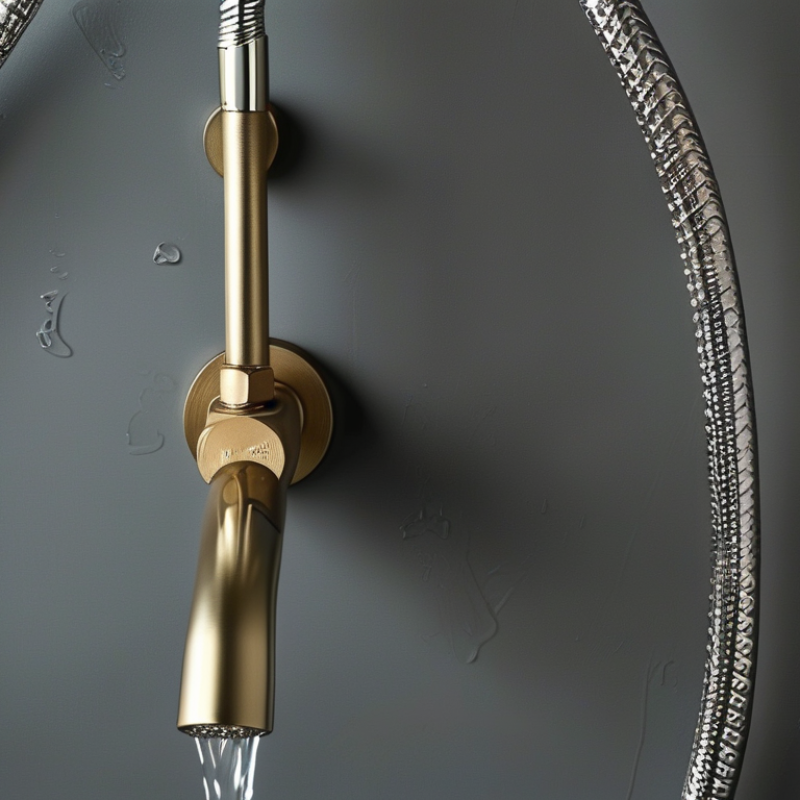
Best Shower Hose Materials: Comparisons of Stainless Steel and PVC Durability
When choosing shower hoses, material matters.
Stainless steel and PVC are the two most common options.
Stainless steel is known for its strength and resistance to corrosion.
It can endure high pressures and varying temperatures.
This metal adds a touch of elegance to any bathroom.
However, it can be heavy and may require more frequent cleaning to maintain its shine.
On the other hand, PVC is lightweight and flexible.
It resists kinking, making it easier to maneuver in tight spaces.
While it is generally more affordable, PVC may not last as long as
stainless steel.
Its durability can be impacted by exposure to harsh cleaning chemicals.
This can lead to discoloration and wear over time.
People often overlook these details, leading to frustration down the line.
In conclusion, consider your bathroom's needs and your personal preferences.
Both materials have strengths and weaknesses.
Take time to analyze these aspects carefully.
Your choice can significantly impact your shower experience and overall bathroom aesthetics.
Key Factors Affecting Shower Hose Performance: Length, Diameter and Flexibility
When choosing a shower hose, several key factors impact its performance. Length is crucial; a longer hose provides more flexibility but may reduce water pressure. A shorter hose may deliver a stronger flow but restricts movement. It's essential to balance convenience and functionality when selecting the ideal length for your needs.
Diameter plays a significant role as well. A wider diameter allows for better water flow, improving the overall shower experience. However, if the hose is too wide, it may not fit standard connectors easily. Finding the right diameter is vital for optimal performance.
Flexibility cannot be overlooked. A flexible hose is easier to maneuver, making bathing simpler. However, over time, some flexible materials can wear down, causing leaks. This balance between ease of use and durability is crucial to consider.
Investing in a quality shower hose requires thoughtful consideration of these factors. Each choice you make affects your overall satisfaction with your shower experience. Be mindful of your specific needs and how each factor plays into the performance of the shower hose.
Understanding Shower Hose Connection Standards: Compatibility with Fittings
When selecting a shower hose, compatibility is key. Understanding connection standards can make a significant difference. Most shower hoses use a universal standard, but variations do exist. Common sizes are 1/2 inch or 3/4 inch threads. Always check your fittings to ensure a proper fit. A loose connection can lead to leaks and water wastage.
Materials also affect compatibility and durability. Stainless steel hoses are common for their strength and resistance to corrosion. Plastic hoses might be cheaper but can wear out quickly, especially under hot water. Ensure that the hose length is adequate for your needs without being overly long, which may cause kinks.
Care can also be a factor. Regularly inspect your hose for wear or damage. A small crack can escalate if ignored. Replacing hoses periodically can prevent unexpected leaks. While hoses may look similar, always check specifications. This can save time and money in the long run. Making informed choices helps ensure a satisfying shower experience.
Maintenance Tips for Prolonging Shower Hose Lifespan: Cleaning and Inspection
Maintaining your shower hose is crucial for ensuring optimal performance and longevity. Regular cleaning is essential. Buildup of soap scum and minerals can affect water flow. Use a mixture of vinegar and baking soda for a natural cleaning solution. Let it sit for a few minutes, then rinse thoroughly. This will help keep your hose in good condition.
Inspecting your shower hose regularly can prevent leaks and breakage. Look for any signs of wear, such as cracks or frayed edges. Check the connections at both ends for any looseness. Tightening them can often resolve minor leaks. If you notice any significant damage, consider replacing the hose entirely. A small investment now can save you from bigger plumbing issues later.
Storage also matters. Avoid hanging the hose in a way that causes kinks. Kinks can lead to weak spots over time. Instead, hang it loosely or coil it neatly after each use. Proper storage can make a difference in how long your shower hose lasts. Small steps lead to greater durability.
Top Brands in the Market: Evaluating Performance Ratings and User Reviews
When evaluating shower hoses, performance ratings and user reviews are crucial. According to a recent industry report, nearly 70% of consumers prioritize durability. Users often note that materials like stainless steel and reinforced plastic enhance longevity. Hoses made from these materials resist kinks and leaks, ensuring optimal performance over time.
Another key factor is flexibility. A survey showed that 55% of users prefer hoses that easily bend and maneuver. This enhances the showering experience, allowing for better reach and comfort. However, some review criticisms highlight issues with heavy hoses that can become cumbersome. Balancing weight with strength remains a challenge in hose design.
User reviews also reveal the significance of nozzle compatibility. Many users express frustration when hoses do not fit their showerheads. About 45% of purchasers rate their satisfaction levels based on this factor alone. With such insights, manufacturers can improve product offerings. The market continues to evolve, but consumers still seek reliable options amidst varying quality standards.
Performance Ratings of Shower Hoses
This chart evaluates various performance criteria for shower hoses, showcasing their ratings in aspects such as flexibility, durability, water pressure, ease of installation, and tangle resistance. A higher rating indicates better performance, guiding consumers towards optimal choices.