Global buyers are entering a more demanding shower market in 2026. A Wall Shower Set now needs to combine water control, visual balance, easy cleaning, and dependable installation. It is no longer judged by chrome appearance alone. Buyers inspect cartridge life, pipe compatibility, flow performance, warranty terms, and replacement-part access.
Industry data supports this shift. Grand View Research identifies bathroom fixtures as a growing global category, driven by renovation, urban housing, and premium residential construction. Fortune Business Insights also reports strong expansion in the smart bathroom market, where digital controls and water-management features are gaining attention. These reports do not describe every regional preference. Still, they show a clear direction: buyers expect more performance from compact bathroom products.
Water efficiency remains important. The U.S. Environmental Protection Agency’s WaterSense program limits certified showerheads to 2.0 gallons per minute, compared with the federal standard of 2.5 gallons. Other markets apply different requirements. Check local rules carefully. A product that performs well in one country may need different certification, connectors, or flow settings elsewhere.
This 2026 guide compares major Wall Shower Set types for global buyers. It considers exposed and concealed systems, thermostatic and pressure-balancing valves, rain showers, handheld combinations, and smart configurations. Small details matter. A brass valve body, clear installation markings, and a silicone nozzle face can reduce service problems. Yet no design is perfect. A concealed system looks cleaner, but repairs may become more difficult. A large rain head feels luxurious, but it may waste water without proper control. Good buying decisions require both market awareness and honest evaluation.
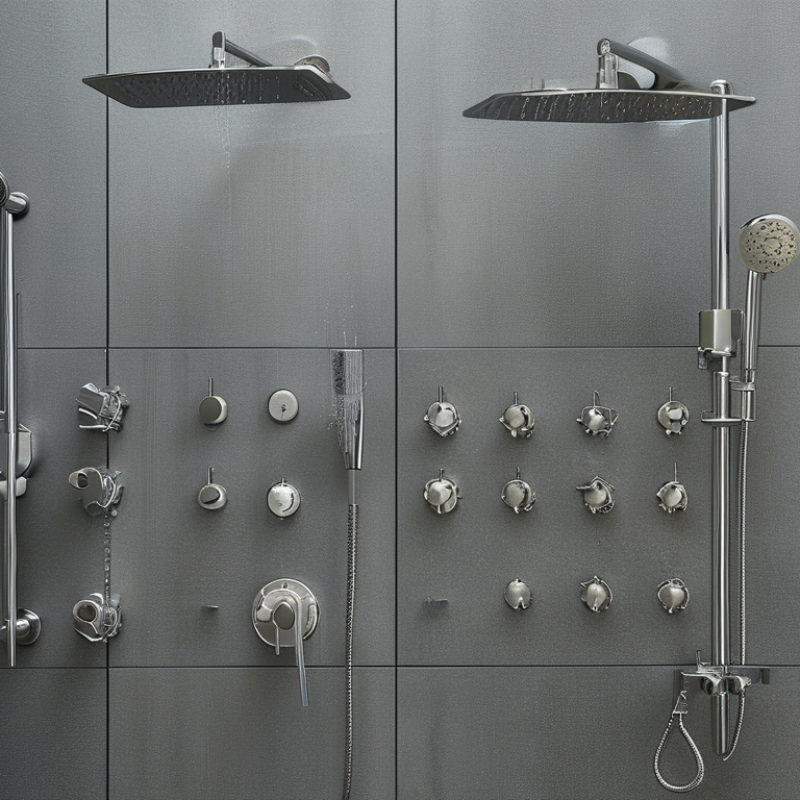
A wall shower set is a bathroom system fixed directly to the wall. It may include a rain shower, hand shower, control valve, and connecting pipe. Common designs include fixed shower sets, dual-outlet sets, thermostatic sets, and compact options for smaller bathrooms. Some models offer adjustable brackets. Others use a slim overhead arm for a cleaner appearance.
Design affects comfort, safety, installation, and long-term maintenance. A wide rain head feels luxurious, but it may waste water in areas with limited pressure. A hand shower helps children, older users, and people cleaning the enclosure. Thermostatic control can reduce sudden temperature changes, yet it requires careful installation and compatible plumbing. Finish quality matters too. Water spots are highly visible on dark surfaces. Small design flaws become annoying every day. I have learned that visual appeal alone is not enough.
Tips: Measure the wall, outlet height, and water pressure before choosing. Check local plumbing requirements and product testing information. Select materials suited to humid bathrooms, with replaceable seals and accessible filters. Ask a qualified installer to confirm connections. A beautiful set can still disappoint. Do not ignore maintenance access.
Which wall shower set types will lead global markets in 2026? The strongest candidates are combination sets, thermostatic sets, and water-saving rain showers. Combination sets pair an overhead shower with a flexible hand shower. This practical format serves family bathrooms, hotels, and renovation projects. It also reduces installation decisions for buyers.
Thermostatic wall sets should gain attention in markets valuing comfort and safety. Their temperature control helps reduce sudden water changes, especially in homes with children or older users. The U.S. Environmental Protection Agency’s WaterSense specification limits qualifying showerheads to 2.0 gallons per minute, compared with the common 2.5-gallon standard. That difference matters in water-stressed cities. Small savings add up.
Smart wall showers may grow fastest by percentage, not by volume. Grand View Research reported strong double-digit growth for the smart bathroom market through 2030. However, premium controls remain expensive and require dependable installation support. That weakens adoption in price-sensitive regions. Forecasts are not destiny. In my view, simple thermostatic combination sets will lead broader global demand, while smart and ultra-efficient models will expand selectively. Buyers should test pressure performance, spare-part access, and temperature stability before trusting attractive specifications. A polished finish alone is not enough.
| Expected 2026 Position | Wall Shower Set Type | Typical Configuration | Common Flow-Rate Range* | Key Buyer Benefits | Main Limitations | Best-Fit Market Segments | 2026 Global Outlook |
|---|---|---|---|---|---|---|---|
| 1 | Thermostatic Exposed Shower Set | Exposed thermostatic bar, overhead shower, hand shower, diverter and adjustable wall rail or brackets. | Approximately 5–9 L/min for water-saving configurations; actual performance depends on showerhead, pressure and local regulation. | Stable temperature control, visible and serviceable components, comparatively simple installation, and strong suitability for renovation projects. | Requires adequate hot-water supply; the exposed valve occupies more wall space than a concealed system. | Residential renovation, hotels, apartments, rental properties and markets where installation speed is important. | Very High |
| 2 | Adjustable Hand Shower Set with Sliding Rail | Hand shower, flexible hose, height-adjustable rail, wall brackets and soap or accessory holder. | Approximately 5–9 L/min for many water-efficient hand showers; local standards may set different limits. | Accessible height adjustment, easy replacement, low installation complexity, and broad compatibility with different bathroom layouts. | Usually provides less overhead coverage and a less premium appearance than a dual-outlet system. | Mass residential housing, family bathrooms, accessible bathrooms, student housing and budget hospitality. | Very High |
| 3 | Dual-Outlet Shower Set | Fixed overhead shower plus hand shower, commonly using a diverter or integrated control valve. | Typically 6–10 L/min per active outlet, depending on whether one or both outlets can operate simultaneously. | Combines full-body overhead coverage with targeted hand-shower control; attractive to buyers seeking a complete showering solution. | Higher water demand when both outlets operate together; requires more installation components and wall space. | Mid-range and premium residential bathrooms, hotels, serviced apartments and new-build projects. | Very High |
| 4 | Concealed Thermostatic Shower Set | In-wall thermostatic valve, concealed diverter, wall-mounted overhead shower and hand shower. | Approximately 5–10 L/min per outlet, subject to the selected components and water-pressure conditions. | Clean minimalist appearance, reduced visible hardware and improved design flexibility for modern bathrooms. | More complex installation, higher labor cost and more difficult servicing if access provisions are inadequate. | New construction, premium residential projects, upscale hotels and design-led commercial developments. | High |
| 5 | Multi-Function Hand Shower Set | Wall bracket or rail with a hand shower offering multiple spray settings, flexible hose and optional diverter. | Approximately 5–9 L/min in water-efficient models; spray feel varies with pressure and nozzle design. | Affordable personalization through spray modes such as rain, massage and mist; easy to explain and sell across many regions. | Spray-mode mechanisms may require regular cleaning in hard-water areas; the experience depends strongly on water pressure. | Value-oriented retail, replacement projects, apartments and regions with strong demand for practical upgrades. | High |
| 6 | Water-Saving Eco Shower Set | Wall-mounted hand or dual-outlet set using flow restrictors, aeration or pressure-compensation technology. | Commonly designed around 5–7.5 L/min, although permitted limits and test methods vary by market. | Lower water and hot-water consumption, strong alignment with sustainability programs, and suitability for utility-cost control. | Very low-flow products may deliver a weaker spray if the plumbing system has insufficient pressure. | Water-stressed regions, green buildings, public-sector procurement, hotels and environmentally focused households. | High |
| 7 | Accessible Shower Set | Adjustable hand shower, long sliding rail, easy-to-reach controls, grab-bar-compatible layout and optional lower mounting point. | Approximately 5–9 L/min, depending on the hand shower and applicable accessibility requirements. | Supports seated or standing use, improves user control and can be configured for aging-in-place or assisted-care bathrooms. | Requires careful positioning, structural fixing and compliance with local accessibility guidance. | Healthcare, senior housing, accessible residential bathrooms, care facilities and universal-design projects. | High |
| 8 | Digital or Push-Button Shower Set | Electronic or digital control interface with temperature setting, remote valve operation and one or more wall-mounted outlets. | Usually configurable within approximately 5–10 L/min per outlet; water use depends on programmed settings and outlet type. | Precise temperature control, memory settings, contemporary user experience and potential integration with smart-home systems. | Higher purchase and installation cost, dependence on electrical components and greater service complexity. | Luxury residential projects, premium hospitality, wellness facilities and technology-oriented developments. | Moderate to High |
*Flow-rate figures are indicative ranges for commonly specified shower products, not universal ratings. Actual flow depends on water pressure, showerhead design, flow restrictors, temperature, plumbing configuration and the regulations or certification requirements of the destination market. The 2026 outlook ranks expected buyer demand and application breadth rather than audited global market share.
2026 Top Wall Shower Set Types for Global Buyers
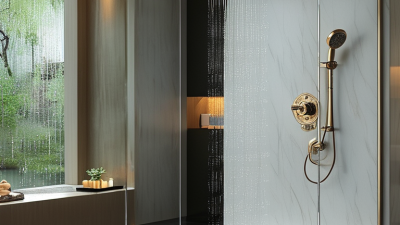
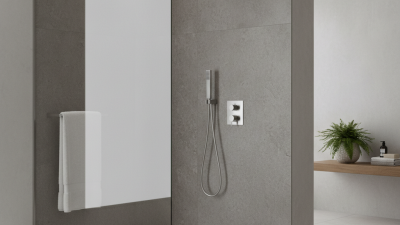
Wall shower sets differ less by appearance than by engineering. Exposed systems keep the valve and pipework visible, making installation and future repairs easier. Concealed systems hide the valve inside the wall, creating a cleaner profile but requiring accurate waterproofing and access planning. Many buyers choose a fixed overhead shower with a hand shower and diverter. It suits family bathrooms, assisted washing, and cleaning tasks.
Control technology matters. Pressure-balancing valves reduce temperature changes when another tap opens. Thermostatic valves respond faster and usually provide clearer temperature control. The choice depends on local water pressure, hot-water systems, and safety requirements. A set designed for high-pressure housing may perform poorly in a low-pressure apartment. Check inlet size, connection standards, flow rate, and replacement-part availability before ordering. Appearance is not enough.
Water efficiency is becoming a measurable purchasing factor. The U.S. Environmental Protection Agency states that certified showerheads use no more than 2.0 gallons per minute and can save an average family about 2,700 gallons yearly. The 2024 Houzz U.S. Bathroom Trends Study also reported that 78% of renovating homeowners upgraded their showers, showing strong demand for functional improvements. Yet these figures are not universal. Regional habits, plumbing rules, and water pressure change the result. Some product sheets still describe “high flow” without explaining real operating conditions. Buyers should request tested flow data, anti-scald performance, coating durability, and installation drawings. Small omissions create expensive surprises.
How to Compare Wall Shower Sets for Different Bathroom Needs
Choosing a wall shower set should begin with the bathroom, not the product photograph. Measure the wall width, outlet position, and available ceiling height. A compact enclosure may need a slim fixed head and a short slide bar. A family bathroom usually benefits from a handheld shower, a diverter, and an easy-to-reach control. Test the handle position before installation. Small placement errors become annoying every day.
Water pressure changes the comparison. A large overhead head may perform poorly in an upper-floor apartment with weak supply pressure. Check the required flow rate and confirm it matches local plumbing conditions. Thermostatic control can help busy households maintain a steadier temperature, especially when another tap opens. However, it adds cost and needs correct installation. More features are not always better.
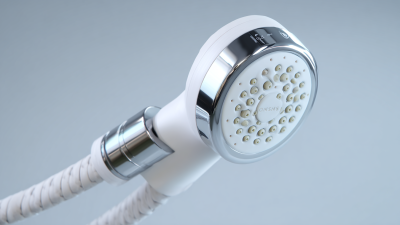
Hard water also deserves attention. Rubber spray nozzles are easier to wipe, while exposed narrow channels can collect mineral deposits. For older users, a low-mounted handheld shower and a clear temperature marker may improve safety. Buyers in different countries should verify connection sizes, pressure limits, and applicable water-efficiency requirements with a qualified installer. Finishes should resist moisture, but even durable surfaces need gentle cleaning. I have found that appearance often influences decisions too strongly. A striking set can still feel awkward if the control is hidden behind the user. Leave service access where possible. That detail is easy to miss.
How to Compare Wall Shower Sets for Different Bathroom Needs
Wall shower sets now include fixed overhead showers, hand showers, thermostatic systems, and multifunction combinations. Each type serves different bathroom layouts and user expectations. Before ordering, check the local water pressure range. A large overhead plate may perform poorly in low-pressure buildings. Ask for tested flow-rate data, not only attractive product photos.
I have inspected shower sets where the finish looked excellent, but the internal fittings were disappointing. Check the valve body, cartridge material, hose flexibility, and connection size. Confirm pipe spacing and wall depth with a technical drawing. Small differences can create expensive installation problems. Anti-scald protection matters, especially in family hotels and residential projects. Request evidence of applicable safety and water-efficiency testing for the destination market.
Do not judge quality by weight alone. Some heavy parts contain unnecessary material, while some lighter components perform reliably. Review corrosion resistance through practical salt-spray or surface testing records. Ask how spare cartridges, seals, and hand-shower holders will be supplied after purchase. Packaging also deserves attention; poorly protected ceramic or plated parts may arrive scratched. A pre-shipment sample inspection is useful, although it cannot reveal every long-term fault. I once approved a visually strong set too quickly and overlooked an awkward diverter position. That mistake changed my checklist.